🚛 FREE DISCREET SHIPPING ON ALL ORDERS $49+








Candyland vs Golden Goat — Which Is Right for You?
Candyland is a sativa-dominant hybrid best known for its uplifting, energizing effects, while Golden Goat is a balanced hybrid that leans sativa but delivers a more mellow, euphoric buzz. If you want focused daytime energy, Candyland is typically the sharper choice. If you prefer a gentler lift with more body relaxation woven in, Golden Goat often fits the bill. Both

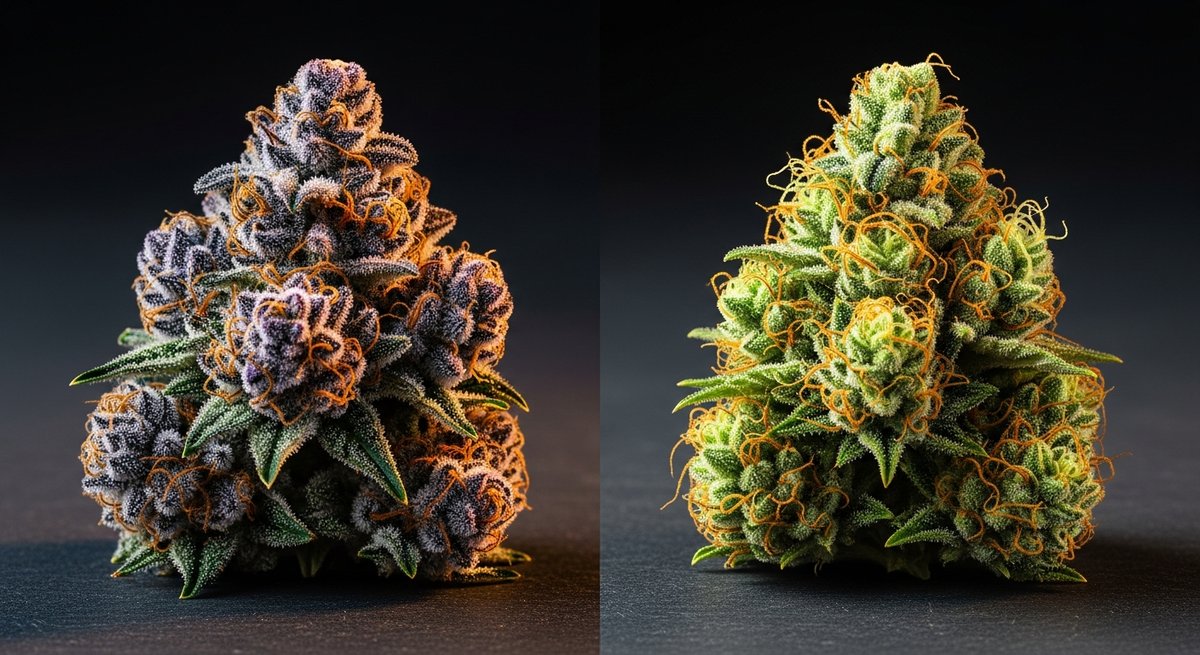
Candyland is a sativa-dominant hybrid best known for its uplifting, energizing effects, while Golden Goat is a balanced hybrid that leans sativa but delivers a more mellow, euphoric buzz. If you want focused daytime energy, Candyland is typically the sharper choice. If you prefer a gentler lift with more body relaxation woven in, Golden Goat often fits the bill. Both cultivars are crowd favorites in the sativa-leaning world, but they serve different moods and moments. Here is how they actually compare – and how to decide which one belongs in your rotation.
Compare more cultivars on our strains hub.
What Is Candyland?
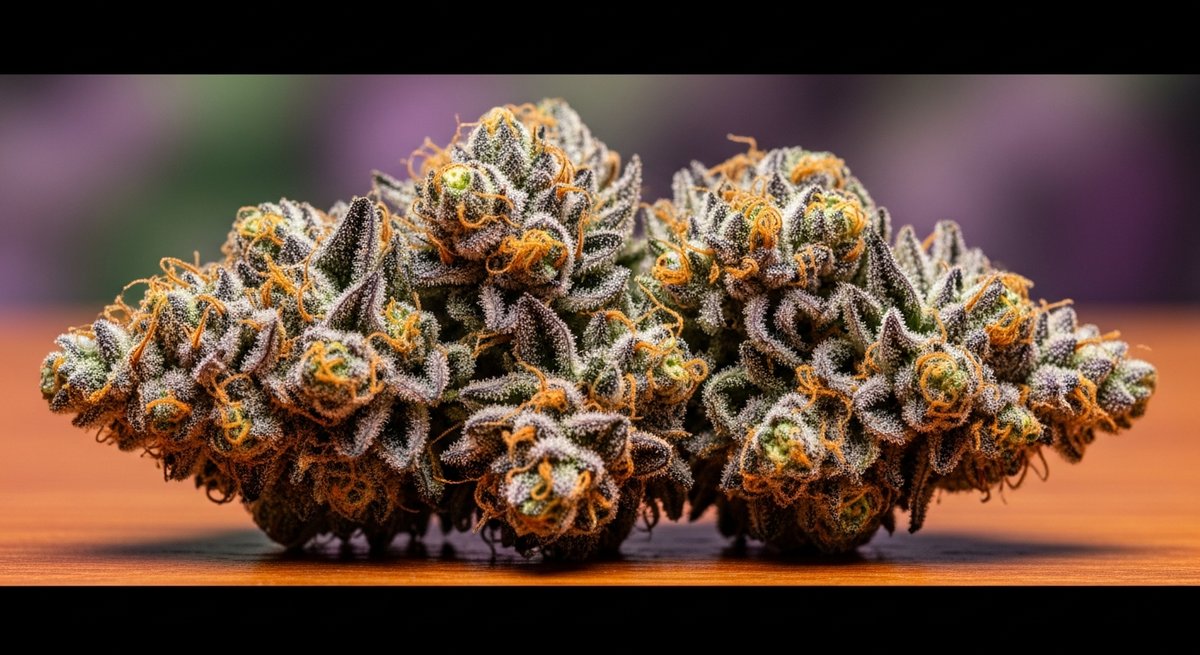
Candyland is a sativa-dominant hybrid bred from Granddaddy Purple and Bay Platinum Cookies. It first gained wide attention after winning the 2012 KushCon. THC typically runs between 18% and 24%, with CBD staying low – usually under 1%. The terpene profile leans on caryophyllene (spicy, peppery), myrcene (earthy), and linalool (floral), which together give Candyland its distinctive sweet, candy-like aroma with a subtle spice on the exhale.
Effects are primarily cerebral – many users report a clean mental lift, a boost in creativity, and a sense of social ease. Physical heaviness is minimal, which makes it a popular pick for daytime tasks, creative projects, or social settings. It is also worth exploring alongside similar cultivars like the Oreos strain if you want to understand how Candyland’s sweetness stacks up against other dessert-forward options. Growing difficulty is moderate – it responds well to topping and thrives in warm, dry climates.
What Is Golden Goat?
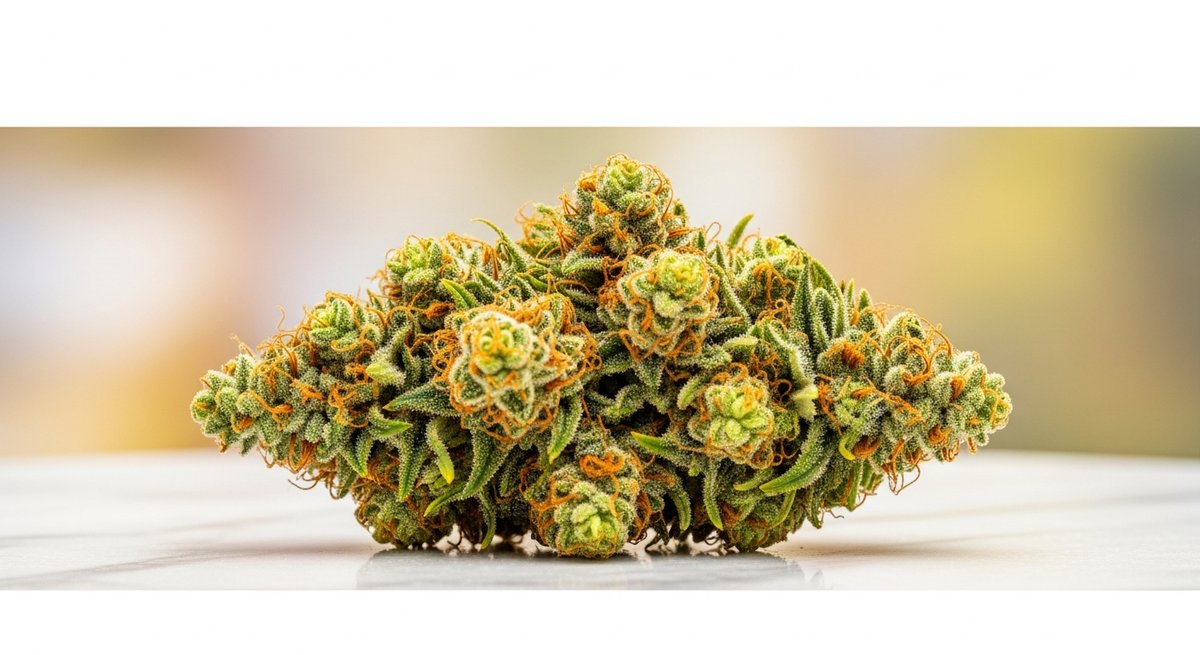
Golden Goat is a sativa-leaning hybrid that emerged as a happy accident in Kansas, crossing Hawaiian-Romulan with Island Sweet Skunk. THC typically sits between 16% and 23%, with CBD again hovering under 1%. Its terpene profile features terpinolene (fresh, floral, slightly fruity), ocimene (sweet, herbal), and caryophyllene, producing a tropical, citrus-forward aroma that many people find immediately inviting.
The experience tends to open with a warm euphoria before settling into relaxed alertness. Many users report feeling sociable and creatively inspired without the edge that stronger sativas can sometimes produce. That balance is partly why Golden Goat has remained popular for well over a decade. If you are curious how terpenes like terpinolene shape the overall experience, this breakdown of THCA and terpene interactions is a useful starting point. Growing difficulty is moderate to challenging – Golden Goat plants can stretch tall and benefit from experienced hands.
Candyland vs Golden Goat – Key Differences
Both cultivars appear in the broader cannabis strains library alongside hundreds of other sativa-leaning options. The table below puts their core specs side by side.
| Category | Candyland | Golden Goat |
|---|---|---|
| THC% range | 18% – 24% | 16% – 23% |
| CBD% range | Under 1% | Under 1% |
| Dominant terpenes | Caryophyllene, Myrcene, Linalool | Terpinolene, Ocimene, Caryophyllene |
| Primary effects | Energizing, focused, creative | Euphoric, relaxed alertness, sociable |
| Best time of day | Morning to early afternoon | Morning to afternoon |
| Best for | Focus, creativity, energy | Relaxation, mild anxiety relief, creativity |
| Flavour profile | Sweet candy, spice, earthy | Tropical citrus, mango, sour |
| Growing difficulty | Moderate | Moderate to challenging |
Effects Comparison

Candyland tends to hit quickly. Many users report a near-immediate shift in mental clarity – thoughts feel more organized, conversation flows easier, and motivation climbs. The body stays mostly unbothered, which is why it is often chosen for tasks that require sustained attention. Effects typically last two to three hours before tapering cleanly, without the groggy fade that heavier hybrids can produce.
Related reading: Goat Milk Strain. Related reading: Zelda Strain.
Golden Goat opens with a warmer, more gradual onset. The euphoria rises steadily and carries a lighter, almost fizzy quality – uplifting but not overpowering. Where Candyland keeps you on your toes mentally, Golden Goat tends to ease physical tension at the same time, producing that comfortable alert-relaxation combination many people associate with a well-balanced sativa hybrid. Duration is similar – roughly two to three hours – though the come-down often feels slightly softer.
Both cultivars carry a moderate-to-high THC ceiling, so the usual guidance applies: start low and go slow, especially if you are newer to sativa-dominant strains. If managing anxiety is part of your goal, it is also worth reading up on calming strains and vape options for anxiety relief, since higher-THC sativas can occasionally amplify anxiety in sensitive individuals.
Which Strain Is Better for Energy?
For pure, focused energy, Candyland is the stronger candidate. Its caryophyllene-forward terpene profile – combined with its Granddaddy Purple lineage’s cerebral lift and Bay Platinum Cookies’ motivating edge – produces an effect that evidence suggests is particularly well-suited to productive mornings or creative work sessions.
See also: Zelda Strain.
Golden Goat is not far behind. Its terpinolene-driven profile is associated with alert, upbeat energy, and many users report it as a genuinely functional daytime cultivar. The difference is texture: Candyland’s energy tends to feel cleaner and more directed, while Golden Goat’s feels broader and more sociable. If you are heading into a demanding solo work session, Candyland is often the better pick. If the plan involves people – a creative meeting, a hike with friends, a long conversation – Golden Goat’s warmer euphoria may actually serve you better.
Neither cultivar is a strong sleep aid, and neither is recommended late in the evening. For a comparison on how different consumption methods affect rest, the CBD vape vs THC vape for sleep guide covers that ground well.
Where to Buy Candyland and Golden Goat
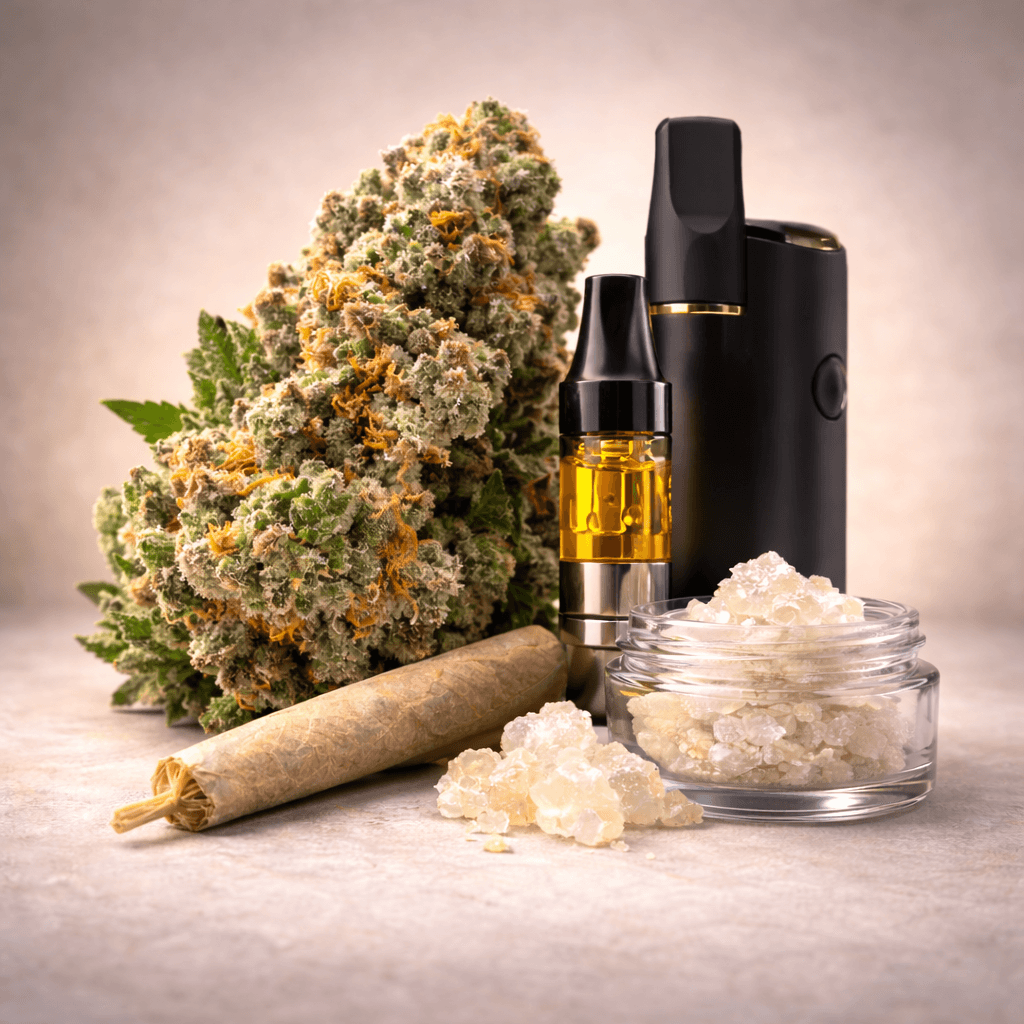
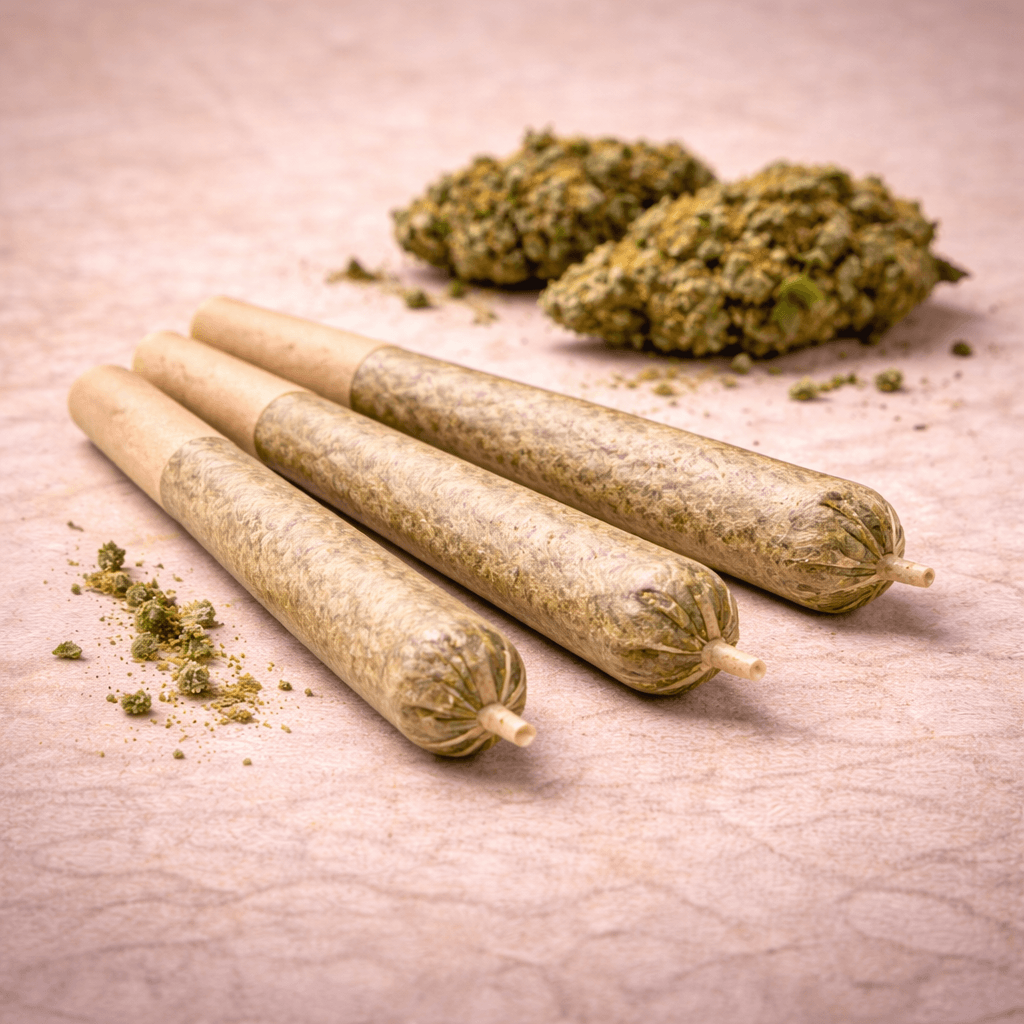
If you want to try either cultivar in flower form, your best starting point is a licensed dispensary with lab-tested products. You can browse available flower and prerolls to find Candyland or Golden Goat options near you – prerolls are a convenient way to test a new strain before committing to a larger quantity.
Shop Candyland and Golden Goat at Weed.com: RAW Hemp Wick.
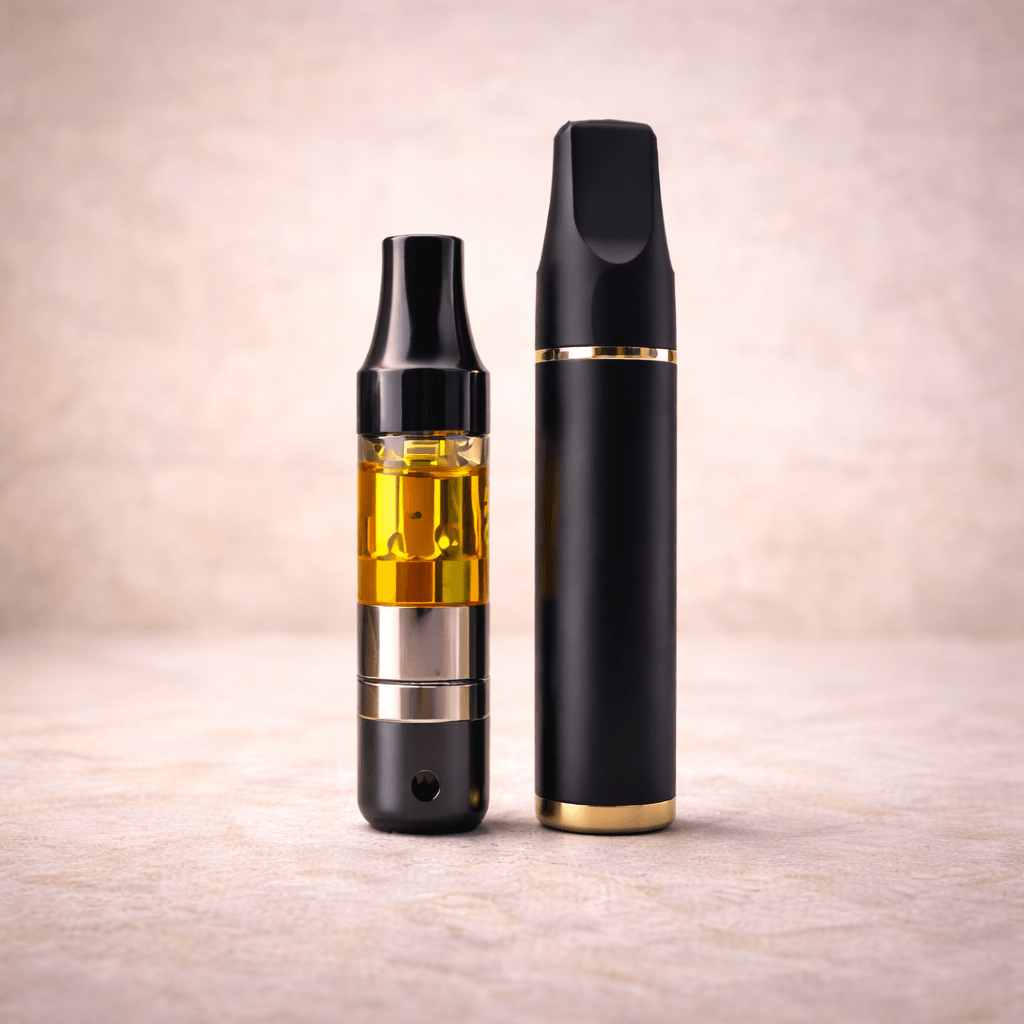
If you prefer a smoke-free experience, both cultivars appear in vape form at various retailers. Checking vapes and carts is a practical way to find strain-specific options, and cartridges make it easier to control your dose in increments. Always verify that any product you buy carries a current certificate of analysis from a third-party lab.
Buy Candyland and Golden Goat Seeds
Prefer to grow your own? Both Candyland and Golden Goat are available as seeds from reputable breeders. Candyland suits intermediate growers comfortable with light training techniques, while Golden Goat rewards growers willing to manage its vigorous stretch. Browse the cannabis seeds hub to find verified seed options for both cultivars, compare genetics, and read grower notes before you commit to a run.
Frequently Asked Questions
Is Candyland stronger than Golden Goat?
Not necessarily in terms of raw THC – both cultivars overlap heavily in the 18% to 23% range. Candyland’s effects tend to feel more intense mentally, with a sharper, more driven energy. Golden Goat sits slightly lower on average but delivers a broader effect that many users find just as potent in its own way. Potency ultimately depends on the specific batch, your tolerance, and how you consume.
What are the effects of Candyland vs Golden Goat?
Candyland is primarily associated with focused energy, mental clarity, and creative motivation – with minimal body effects. Golden Goat produces a warmer, more euphoric lift that includes mild body relaxation alongside its cerebral qualities. Both are daytime-friendly, but Candyland leans toward solo productivity while Golden Goat trends more social. You can also compare similar cultivars like the Goat Milk strain or the Zelda strain if you are still narrowing down your preferences.
Which is better for energy – Candyland or Golden Goat?
Candyland is generally the better pick for clean, focused energy. Its terpene profile and sativa-dominant lineage are well-suited to tasks that require sustained mental engagement. Golden Goat offers a similar lift but with a more relaxed quality – making it a strong choice when energy meets social ease. For strictly heads-down work, Candyland tends to edge ahead.
What does Candyland taste like compared to Golden Goat?
Candyland lives up to its name with a sweet, candy-forward flavor underlined by earthy spice – a nod to both its Granddaddy Purple and Bay Platinum Cookies roots. Golden Goat goes in a tropical direction: bright citrus and mango lead, followed by a faintly sour, herbal finish. If you have a sweet tooth, Candyland wins on dessert flavor. If you prefer fruit-forward and citrusy, Golden Goat is the more enjoyable smoke for most people.
Can you mix Candyland and Golden Goat?
You can, and some experienced consumers do blend sativa-leaning strains to layer their terpene profiles. Combining Candyland’s spicy-sweet notes with Golden Goat’s tropical citrus could, in theory, produce an interesting aromatic blend. That said, mixing two moderate-to-high THC cultivars raises the overall potency of the session considerably. Start with small amounts of each, and make sure you are comfortable with both individually before experimenting with combinations. The Delta 8 vs CBD comparison is a useful read if you are also thinking about lower-intensity alternatives to balance a higher-THC session.