🚛 FREE DISCREET SHIPPING ON ALL ORDERS $49+










Do THC Gummies Actually Boost Creativity? The Science Behind It
You pop a THC gummy, settle into your studio, and suddenly the song you’ve been wrestling with for three weeks just… clicks. The melody finds its shape. The words stop fighting you. Was that the cannabis? Was it the quiet? Artists and creative professionals have been asking this question for decades, and the answers are more complicated – and more

You pop a THC gummy, settle into your studio, and suddenly the song you’ve been wrestling with for three weeks just… clicks. The melody finds its shape. The words stop fighting you. Was that the cannabis? Was it the quiet? Artists and creative professionals have been asking this question for decades, and the answers are more complicated – and more interesting – than a simple yes or no.
The idea that cannabis and creativity share some deep, ancient bond is everywhere. It shows up in the mythology around jazz musicians, in the journals of painters, in the offhand comments of novelists. But mythology and neuroscience are different animals. So what does the science actually say? Can a THC gummy help you think differently, or is that just a very compelling story people tell themselves?
Let’s dig into the biology, the research, and the honest nuance that gets lost when people talk about cannabis and the creative mind.
What Happens in Your Brain When THC Kicks In
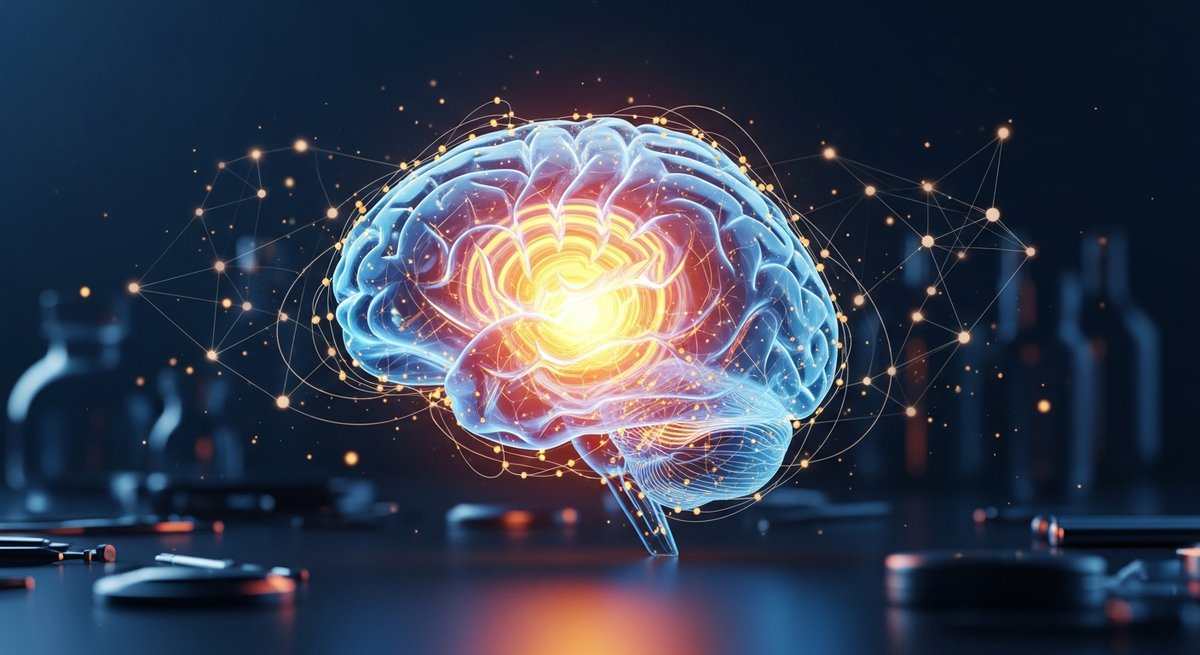
THC (delta-9-tetrahydrocannabinol) works by binding to CB1 receptors throughout the brain – receptors that are part of your endocannabinoid system (ECS), a regulatory network your body uses to manage mood, memory, attention, and perception. When THC latches onto those receptors, it essentially hijacks a system built for nuanced control and turns up the volume across several brain regions at once.
One effect that gets researchers particularly interested is the increase in dopamine activity in the prefrontal cortex – the region most associated with abstract thinking, ideation, and flexible cognition. Dopamine plays a starring role in reward, motivation, and novelty-seeking. When dopamine rises, connections between seemingly unrelated ideas feel more accessible, more “findable.”
There’s also what researchers describe as altered default mode network (DMN) activity. Your DMN is the network that activates when you’re daydreaming, reflecting, or making associative leaps – precisely the mental state where creative breakthroughs tend to happen. THC appears to modulate DMN activity in ways that loosen the usual filtering of incoming ideas, allowing more “noise” into conscious awareness. Whether that noise becomes music or just… noise depends heavily on the person and the dose.
If you want a deeper look at what’s actually happening physiologically when an edible metabolizes, the breakdown of how edibles affect the body and brain is a useful starting point – it covers why gummies hit differently than other consumption methods and why timing matters more than most people expect.
Divergent Thinking: The Type of Creativity That Gets the Most Attention
Psychologists divide creativity into two broad categories: divergent thinking (generating many possible ideas from a single prompt) and convergent thinking (narrowing many possibilities down to the single best answer). Most creativity research on cannabis focuses on divergent thinking – it’s the more measurable of the two.
A widely cited study from Leiden University found that regular cannabis consumers showed higher scores on divergent thinking tasks compared to non-users – but only when tested sober. When they actually consumed cannabis before the task, performance was more mixed. Low doses showed modest benefits, while higher doses tended to reduce the quality of ideas even as the quantity went up.
That’s a distinction worth sitting with. More ideas doesn’t automatically mean better ideas. The brain under high-dose THC can generate connections rapidly, but it also loses some of the editorial function needed to evaluate which connections are actually useful. For writers, this can feel like inspiration and frustration arriving at exactly the same moment.
Convergent thinking – the kind you need to edit a draft, solve a specific problem, or finish a composition – tends to suffer more noticeably under THC. The working memory demands are higher, and THC is not kind to working memory at higher doses.
The Dose Question Nobody Talks About Enough
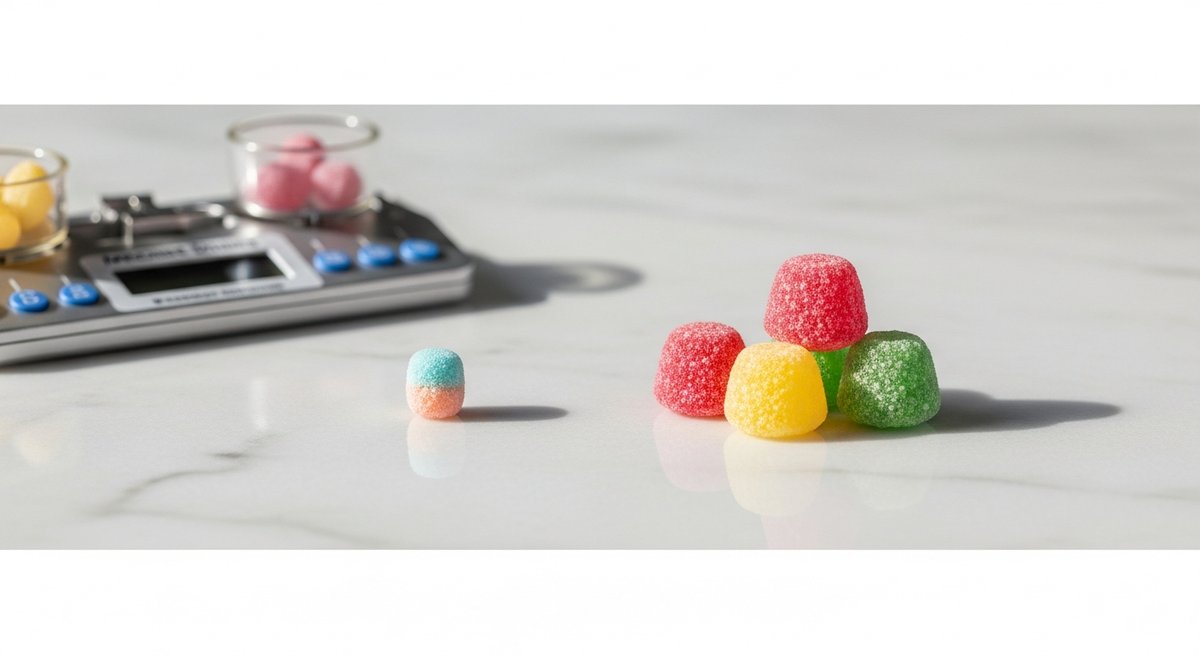
Here’s where the conversation about cannabis and creativity gets genuinely interesting – and where most casual discussions fall apart. Dose is everything. A 2.5 mg THC gummy and a 25 mg THC gummy are not the same product in any meaningful neurological sense, even if they come in the same packaging.
At low doses – typically 2.5 to 5 mg for most adults – THC tends to produce mild euphoria, reduced self-criticism, and a loosening of habitual thought patterns. These are the conditions that many creative professionals describe as “flow-adjacent.” The inner critic quiets down just enough to let ideas surface without being immediately dismissed.
At moderate to high doses – 15 mg and above for many people – the picture shifts considerably. Working memory deficits become more pronounced. Anxiety can creep in, which is essentially the opposite of the open, receptive mental state that creativity requires. The connections still fire, but they become harder to organize into anything coherent.
This dose-dependency also explains why two people can have wildly different experiences with the same gummy. Individual factors – tolerance, baseline anxiety levels, how much you’ve eaten, your genetic expression of CB1 receptors – all interact with the pharmacology in ways that make a single “creativity dose” essentially impossible to define universally.
Expert Insight
Dr. Alexander Tabibi
Dr. Alexander Tabibi
The ECS and the stress-regulation axis are deeply intertwined. A review of endocannabinoid signaling and HPA axis regulation found that endocannabinoids – particularly anandamide and 2-AG – act in the prefrontal cortex and amygdala to suppress stress hormone cascades. This helps explain why low-dose THC can reduce self-critical inhibition, a central feature of creative suppression.
The same review notes that acute stress and basal stress regulation involve distinct endocannabinoid mechanisms, and that disruption at higher THC doses can paradoxically increase anxiety rather than suppress it – consistent with the dose-dependent creativity ceiling observed in behavioral research. The relationship between cannabinoids and cognitive openness is real, but it is not linear.
Hill et al. (2012). Endocannabinoid signaling, glucocorticoid-mediated negative feedback, and regulation of the hypothalamic-pituitary-adrenal axis. Neuroscience, 204:5-16. PMID: 22214537
Personality, Set, and Setting: The Variables Science Can’t Fully Control
One of the more underappreciated findings in cannabis cognition research is the role of baseline personality traits – specifically “openness to experience.” People who score high on openness (a Big Five personality factor correlated with artistic interest, imagination, and intellectual curiosity) appear to get more measurable creative benefit from cannabis than people who score lower.
The current thinking is that THC may amplify existing cognitive tendencies rather than install new ones. If your brain already has well-developed associative pathways and you engage in creative work regularly, low-dose THC might help you access those pathways with less friction. If those pathways aren’t as developed, THC is not going to build them for you.
Set and setting – the mental state you bring to the experience and the environment you’re in – also play a substantial role. A person who sits down with a clear creative intention, a low-dose gummy, and an environment designed for focus is having a fundamentally different neurological experience than someone who eats the same gummy on the couch while scrolling a phone. The pharmacology is identical; the outcome almost certainly isn’t.
This is also why retrospective self-reports from artists are hard to evaluate as scientific evidence. Memory under THC is notoriously unreliable. People tend to remember the sessions that went well and attribute the success to whatever variable felt salient in the moment.
The Anxiety Wildcard and Why It Matters for Creative Work

Creative blocks are often anxiety in disguise. The blank page isn’t blank – it’s loaded with self-judgment, fear of failure, and the accumulated weight of expectations. This is why some people find that cannabis helps them bypass the block: it reduces the emotional charge around the work, not by making the work easier, but by making the fear of it temporarily smaller.
But this dynamic has a paradox built into it. THC can reduce anxiety at low doses and increase it significantly at higher ones – especially in people who are anxiety-prone or who consume in unfamiliar environments. If you sit down to paint and a 10 mg gummy sends you into a spiral of second-guessing, the creative session is over before it starts.
The people who tend to report the most consistent creative benefit from cannabis gummies are those who have a stable, well-understood relationship with the substance – meaning they know their dose, they know their reaction, and they’ve created conditions where anxiety is unlikely to intrude. For newcomers exploring cannabis for creative purposes, starting very low (2.5 mg) and moving slowly is the approach most consistent with both the research and basic harm reduction.
If anxiety is one of the reasons you’re curious about cannabis in the first place, it’s worth reading about CBD and THC gummy options for managing anxiety before assuming a high-THC product will deliver the relaxed mental state creative work requires.
What Kind of Creativity Are You After?
Not all creative work demands the same cognitive state. Brainstorming, free writing, sketching concepts, and improvising music all lean heavily on divergent thinking – the generative, associative, rule-loose mode that low-dose THC may actually support. Editing, refining, and executing technical craft all require the focused, sequential thinking that THC tends to complicate.
A practical approach some creatives use is to apply cannabis to the generative phase and work sober during refinement. Write the rough draft with a low-dose gummy; edit it the next morning. Record the improvised melody; arrange it sober. This respects what THC actually does neurologically rather than asking it to do everything.
There’s also a sleep angle worth considering. Rest is arguably the most underrated creativity tool, and THC can interact with sleep architecture in complex ways – sometimes helping people reach sleep more quickly, sometimes reducing the REM sleep where creative consolidation happens. If you’re using cannabis regularly and noticing that your creative well feels depleted, disrupted sleep may be a contributing factor. The nuances of cannabinoids and sleep dosing are explored in the guide to Delta 8 THC gummy dosing for sleep, which covers how small differences in milligrams can produce notably different outcomes.
Expert Insight
Dr. Alexander Tabibi
Dr. Alexander Tabibi
A critical review of cannabinoids and sleep published in Chest examined how THC, CBD, and CBN interact with sleep-wake cycles through the ECS. The review notes that the ECS actively modulates circadian rhythm, and that cannabinoids can shift sleep architecture in ways that vary significantly based on dose and frequency of use. For creatives who use cannabis regularly, REM-stage changes may affect the consolidation of ideas formed during waking hours.
The review also emphasizes that most studies in this space are limited by small sample sizes and methodological inconsistencies. Evidence suggests that cannabinoids influence sleep, but the direction and magnitude depend heavily on the individual and the consumption pattern. Treating sleep as a variable – rather than a constant – when experimenting with cannabis for creative purposes is a reasonable precaution.
Lavender et al. (2022). Cannabinoids, Insomnia, and Other Sleep Disorders. Chest, 162(2):452-465. PMID: 35537535
Choosing a Gummy That Matches Your Creative Intention
If you’ve thought through the science and want to experiment thoughtfully, product selection matters more than most people give it credit for. The formulation, cannabinoid profile, and dose per piece all shape the experience before you even open the bag.
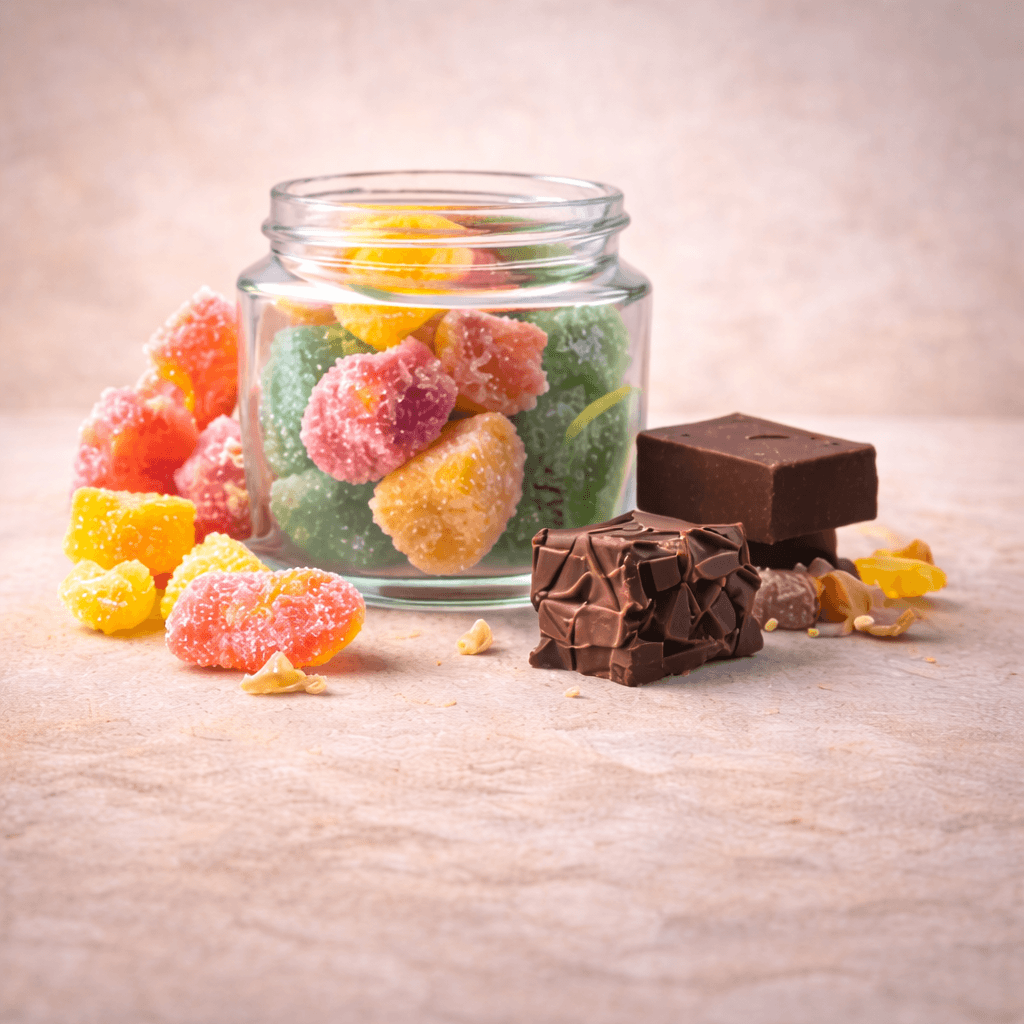
For people who are newer to edibles or who want precise control over dose, low-milligram options are almost always the better starting point for creative sessions. A 5 mg live rosin gummy delivers full-spectrum cannabinoids from minimally processed extract – which some users find produces a cleaner, more manageable effect than distillate-based products. Discovery packs can be a practical entry point before committing to a larger quantity.
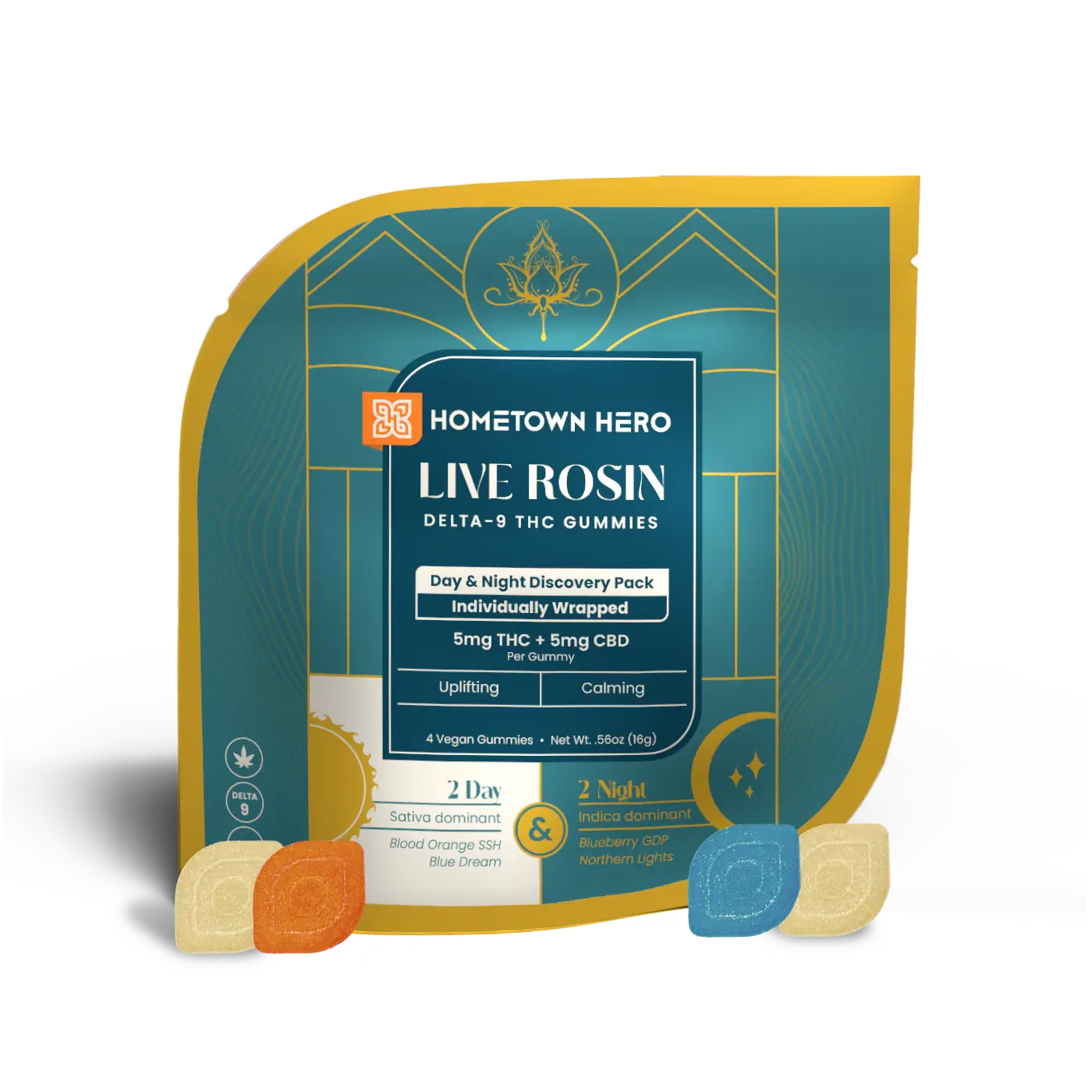
Hometown Hero 5mg Live Rosin Day & Night Discovery Pack
Full-spectrum live rosin gummies at 5mg THC – designed for sampling both day and night formulations before committing to a full bag.
For experienced consumers who already have a clear sense of their dose and are looking for something with a more pronounced effect, a live rosin gummy at a higher potency level can offer more expressive range. The Matcha variant from Hometown Hero uses live rosin extract with a full cannabinoid profile and suits users who have moved well past the beginner range.
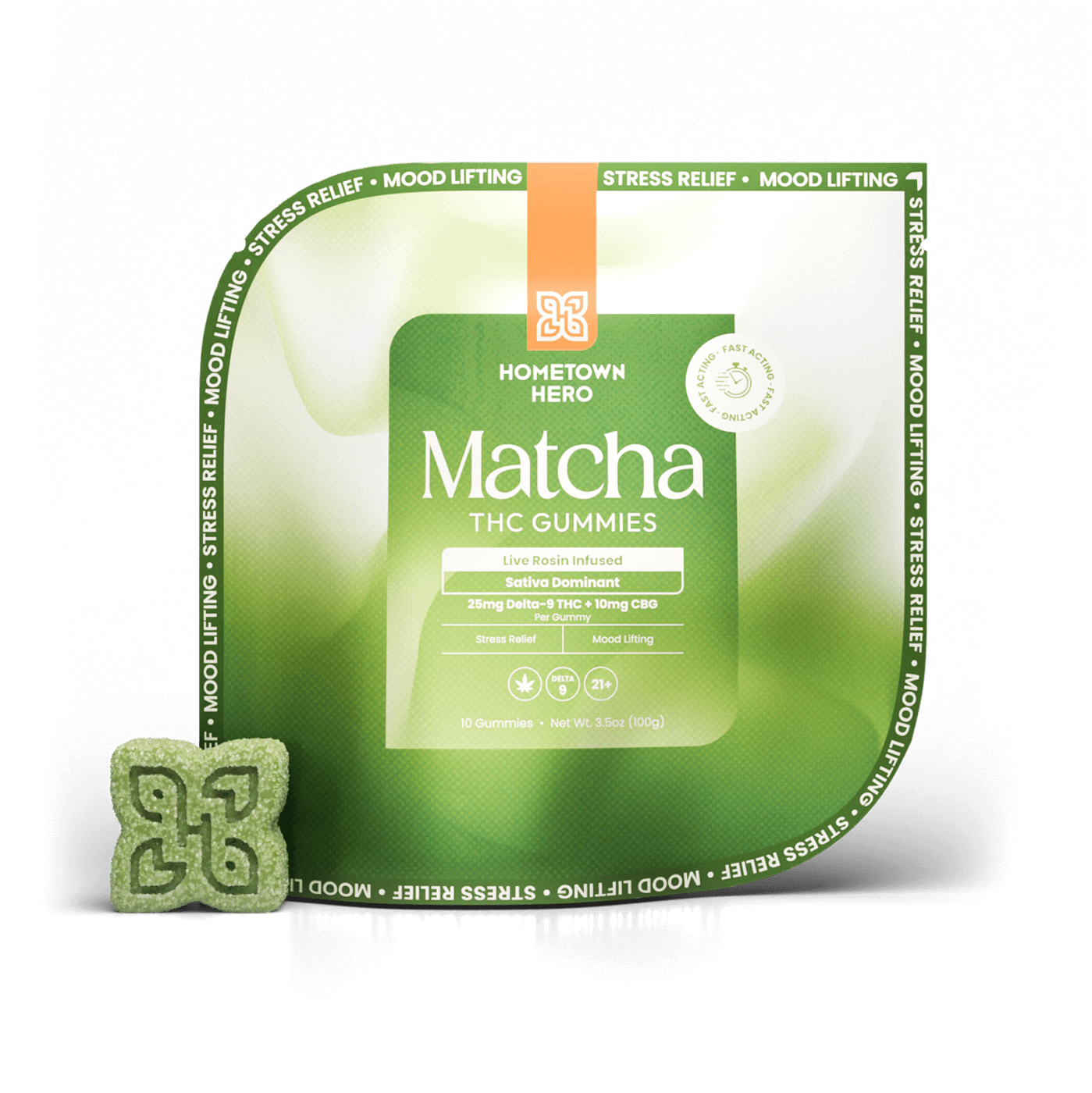
Hometown Hero Delta-9 Live Rosin Gummies – Matcha
Delta-9 THC live rosin gummies with a full-spectrum cannabinoid profile – suited for experienced consumers seeking a terpene-rich edible experience.
FAQs
Do THC gummies really make you more creative?
Some users report feeling more imaginative or open-minded after taking THC gummies, especially at low doses. Research suggests THC may increase “divergent thinking” — the ability to generate unusual ideas — but higher doses often impair focus and problem-solving.
Why do people feel more creative when high?
THC changes perception, mood, and thought patterns, which can make ideas feel more novel or emotionally meaningful. Scientists believe this altered state may create a stronger sense of creativity, even when objective creative performance doesn’t always improve.
What type of creativity does THC affect most?
THC appears to influence divergent thinking more than convergent thinking. That means it may help with brainstorming or free association, but not necessarily with refining ideas, solving complex problems, or making logical decisions.
Do low doses work differently than high doses?
Yes. Studies consistently show that low THC doses may slightly enhance flexible thinking, while high doses reduce memory, concentration, and idea quality. Too much THC often leads to mental fog rather than inspiration.
Sources
Lavender et al. (2022). Cannabinoids, Insomnia, and Other Sleep Disorders. Chest, 162(2):452-465. PMID: 35537535
Hill et al. (2012). Endocannabinoid signaling, glucocorticoid-mediated negative feedback, and regulation of the hypothalamic-pituitary-adrenal axis. Neuroscience, 204:5-16. PMID: 22214537
Important Notice
Cannabis affects individuals differently. If you have a history of anxiety, panic disorder, or other mental health conditions, consult a qualified healthcare provider before using any cannabis product. This article is for informational purposes only and does not constitute medical advice. If you experience severe anxiety, chest pain, difficulty breathing, or feel you are in crisis, call 911 or go to your nearest emergency room immediately.
For adults 21+ only. Cannabis laws vary by state. This content is intended for informational purposes only and does not constitute medical or legal advice. If you are experiencing a medical emergency, call 911 or go to your nearest emergency room immediately.