🚛 FREE DISCREET SHIPPING ON ALL ORDERS $49+









Myrcene dominant strain vs Limonene dominant strain — Which Is Right for You?
The Myrcene dominant strain and the Limonene dominant strain sit at opposite ends of the terpene spectrum. The Myrcene dominant strain is a sedating, earthy cultivar best suited for evening wind-down and deep relaxation, while the Limonene dominant strain is a bright, citrus-forward option more often chosen for daytime mood-lift and focus. If you need calm and body ease, myrcene

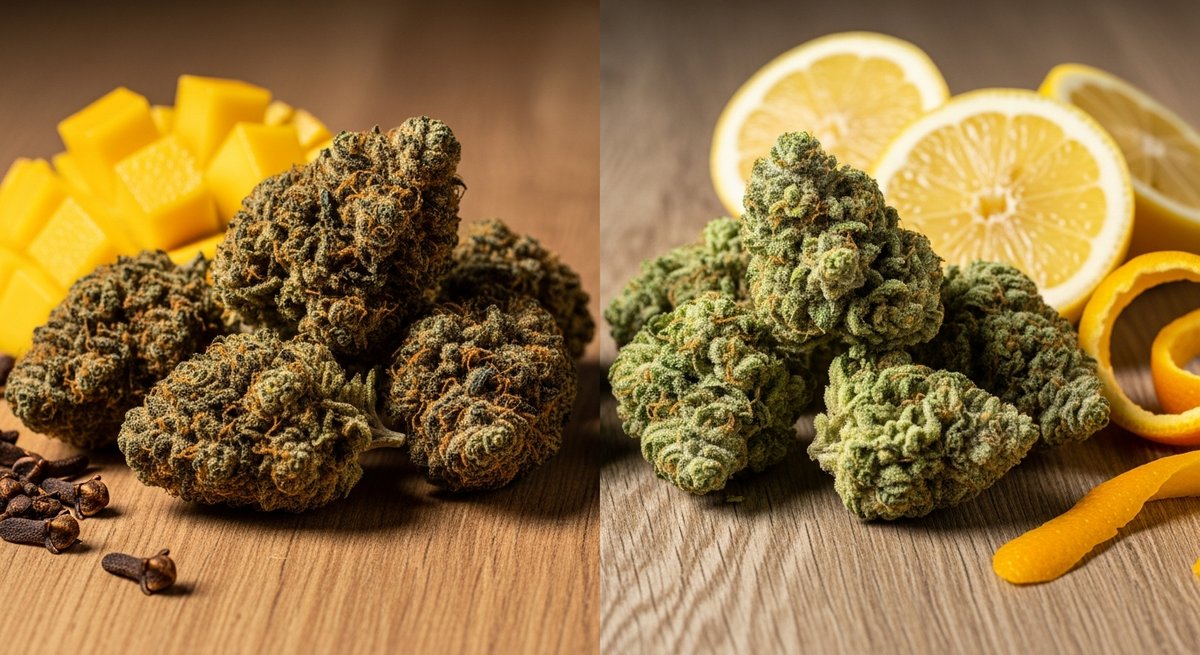
The Myrcene dominant strain and the Limonene dominant strain sit at opposite ends of the terpene spectrum. The Myrcene dominant strain is a sedating, earthy cultivar best suited for evening wind-down and deep relaxation, while the Limonene dominant strain is a bright, citrus-forward option more often chosen for daytime mood-lift and focus. If you need calm and body ease, myrcene is your terpene. If you want energy and mental clarity, limonene tends to lead the way. Both profiles appear across hundreds of cultivars listed in the cannabis strains hub, so knowing which terpene drives your experience is one of the most practical shortcuts in cannabis.
What Is Myrcene dominant strain?
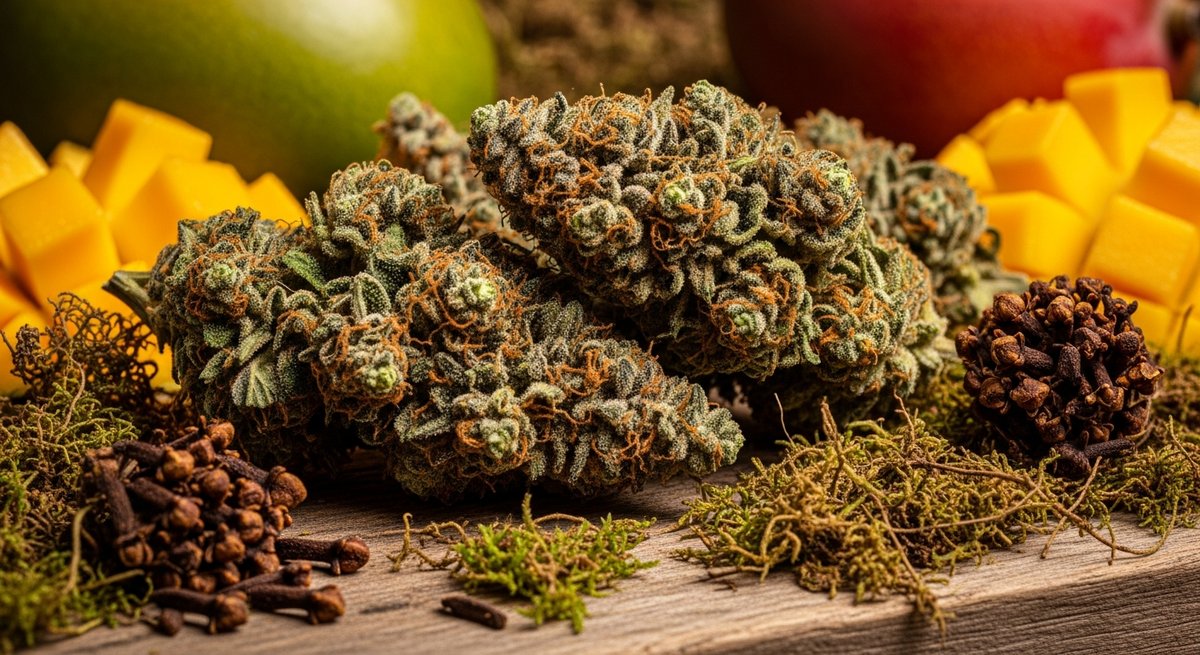
Myrcene is the most abundant terpene found in cannabis overall. It carries a damp, earthy, musky aroma – sometimes layered with ripe mango or clove. Cannabis cultivars where myrcene leads the terpene profile are almost always indica-leaning or indica-dominant hybrids, though exceptions exist.
THC levels in myrcene dominant cultivars typically range from 17% to 27%, depending on the specific strain. CBD is usually low, often under 1%, unless the cultivar is specifically bred for it. Common companions to myrcene in these profiles include caryophyllene and linalool, which deepen the sedating, body-heavy character.
Many users report that myrcene dominant cultivars feel physically relaxing – easing tension and encouraging rest. A strain like the Watermelon strain is a good example of a fruity, myrcene-forward cultivar with that same heavy, calming character. The Myrcene dominant strain is best consumed in the evening or before bed, or any time you want to slow down intentionally.
What Is Limonene dominant strain?
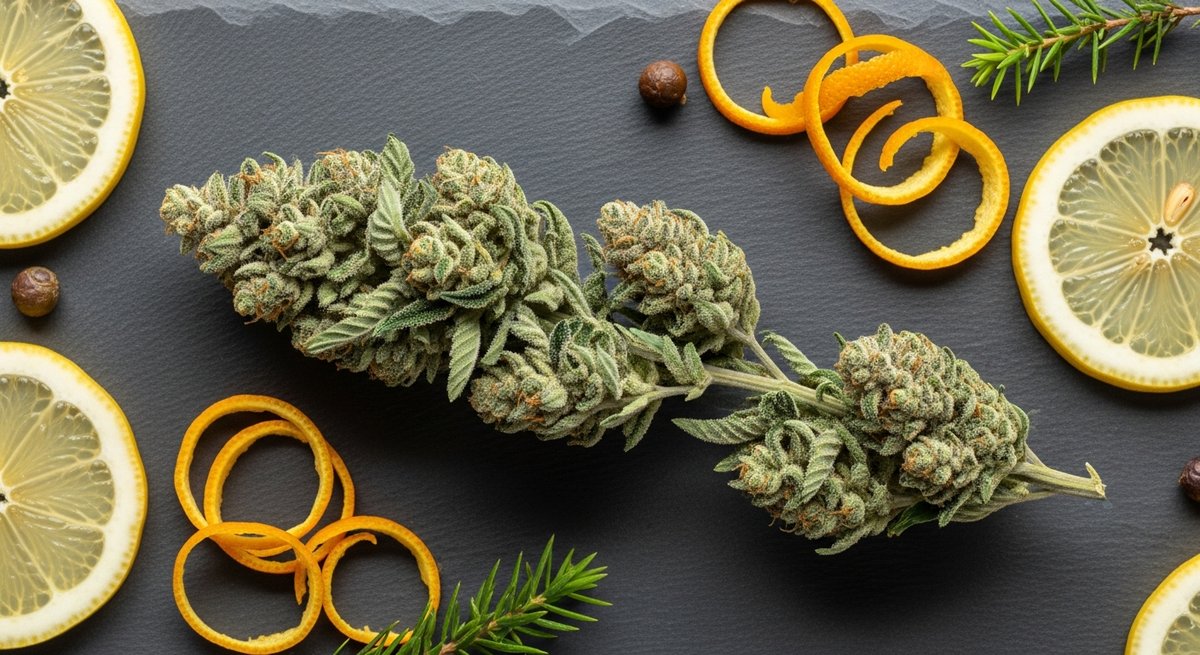
Limonene is the terpene responsible for that sharp, zesty citrus lift you notice the moment you open a jar of certain sativas. It is the second most common terpene in cannabis and is also found in lemon peel, orange rind, and juniper. Cultivars where limonene sits at the top of the terpene chart tend to be sativa-dominant or balanced hybrids.
THC ranges in limonene dominant cultivars typically fall between 16% and 26%. CBD is generally low in recreational limonene strains, though some wellness-focused cultivars carry more. Terpene companions often include terpinolene and pinene, which sharpen the uplifting, clear-headed quality. The Tangie strain is one of the best-known limonene dominant cultivars – bright, orange-forward, and energising.
Evidence suggests limonene may support mood elevation and reduce feelings of stress. Other well-regarded limonene dominant examples include the Laughing Buddha strain and the Hawaiian strain. The Limonene dominant strain is generally best for mornings, creative sessions, or social situations where mental engagement matters.
Myrcene dominant strain vs Limonene dominant strain – Key Differences
Here is a side-by-side view of how these two terpene profiles compare across the most practical factors.
| Category | Myrcene dominant strain | Limonene dominant strain |
|---|---|---|
| THC% range | 17% – 27% | 16% – 26% |
| CBD% range | Usually under 1% | Usually under 1% |
| Dominant terpenes | Myrcene, caryophyllene, linalool | Limonene, terpinolene, pinene |
| Primary effects | Deep relaxation, body calm, sleepiness | Mood lift, mental clarity, social ease |
| Best time of day | Evening or night | Morning or afternoon |
| Best for | Sleep, pain relief, deep relaxation | Anxiety relief, focus, creativity, energy |
| Flavour profile | Earthy, musky, mango, herbal | Citrus, lemon, orange, zesty |
| Growing difficulty | Beginner to intermediate | Intermediate |
Effects Comparison

The Myrcene dominant strain tends to settle into the body relatively quickly. Many users report a warm, heavy sensation in the limbs within 10 to 20 minutes of consumption. The mental effect is present but often secondary – a gentle, unfocused ease rather than sharp cerebral activity. Duration is typically 2 to 3 hours, with residual body calm extending longer. Higher doses can lean strongly sedating, which is why evening timing matters with this profile.
Related reading: Watermelon Strain. Related reading: Tangie Strain.
The Limonene dominant strain moves differently. Onset is similarly 10 to 20 minutes but often begins in the head – a brightening of mood, a loosening of mental tension. Many users describe it as feeling lighter and more present rather than couch-locked. Duration aligns closely with myrcene cultivars at 2 to 3 hours, but the comedown rarely pushes toward sleep. Instead, it tends to fade to a neutral, functional baseline.
Intensity is comparable between the two when THC levels are similar, but the character of that intensity differs significantly. If you want to stay sharp and engaged, evidence suggests limonene dominant cultivars carry less sedation risk. If you want to genuinely switch off, myrcene gives you more of that. Those looking for focus-forward options may also find value in exploring guidance like sativa vape pens for focus.
Which Strain Is Better for Anxiety?
Anxiety is where this comparison gets genuinely interesting, because both terpene profiles offer something – but through different mechanisms and with different risk profiles.
See also: Tangie Strain.
Evidence suggests the Limonene dominant strain may support mood regulation and reduce acute stress responses. Many users report that limonene-forward cultivars create a lighter, more manageable headspace – less likely to amplify worried thinking than high-THC sedatives can at the wrong dose. The Pink Lemonade strain is a well-regarded example of a limonene cultivar often chosen for exactly this purpose.
The Myrcene dominant strain may help with anxiety that is rooted in physical tension or racing thoughts at night, since the body-heavy relaxation can interrupt the cycle. However, very high doses of sedating, myrcene-forward flower can occasionally increase anxious feelings rather than reduce them – especially in people sensitive to THC.
For daytime anxiety, the Limonene dominant strain is generally the stronger choice. For anxiety that disrupts sleep specifically, the Myrcene dominant strain may be more appropriate. Start low with either profile.
Where to Buy Myrcene dominant strain and Limonene dominant strain
Both terpene profiles are widely available at licensed dispensaries, and increasingly accessible online where permitted. If you prefer flower, you can browse myrcene and limonene dominant cultivars through the flower and prerolls shop – a practical way to compare specific cultivars by terpene and effect without leaving your couch.
If you want the convenience of a terpene-forward experience in a portable format, limonene dominant options in particular translate well to vape cartridges. The vapes and carts shop is a good place to look for citrus and earthy options side by side. Cultivars like the Violet Fog strain and the NF1 strain illustrate how varied the broader terpene landscape can be when you start exploring beyond just the dominant compound.
Always purchase from a verified, licensed source so you can trust the lab-tested terpene and cannabinoid data on the label.
Buy Myrcene dominant strain and Limonene dominant strain Seeds
Growing your own is the most direct way to control your terpene experience from the ground up. Both the Myrcene dominant strain and Limonene dominant strain are achievable for home cultivators, with myrcene-forward genetics often considered slightly more forgiving for beginners. You can explore a wide selection of seeds – including cultivars bred specifically for terpene expression – through the cannabis seeds shop. Look for lab-verified genetics and clear terpene data from the breeder before you commit.
Frequently asked questions
Is Myrcene dominant strain stronger than Limonene dominant strain?
Not necessarily in terms of THC percentage – the ranges are broadly similar. However, the Myrcene dominant strain tends to feel more physically intense and sedating, which many people interpret as “stronger.” The Limonene dominant strain may carry a similar THC level but feel lighter and more functional. Subjective intensity depends as much on terpene profile as it does on THC percentage.
What are the effects of Myrcene dominant strain vs Limonene dominant strain?
The Myrcene dominant strain is associated with deep body relaxation, sedation, and physical ease. The Limonene dominant strain is more often linked to mood elevation, mental clarity, and reduced stress. Both effects are influenced by the full terpene and cannabinoid profile of the specific cultivar, not just the dominant terpene alone.
Which is better for sleep – Myrcene dominant strain or Limonene dominant strain?
The Myrcene dominant strain is the stronger choice for sleep. Evidence suggests myrcene has sedating properties, and the body-heavy, calming effects of myrcene dominant cultivars are widely reported to support the transition to rest. The Limonene dominant strain is generally too activating for pre-sleep use, though some people find it useful for winding down anxiety earlier in the evening.
What does Myrcene dominant strain taste like compared to Limonene dominant strain?
Myrcene dominant cultivars typically deliver an earthy, musky base with notes of ripe mango, clove, or damp herbs. Limonene dominant cultivars are notably brighter – expect sharp citrus, fresh lemon or orange peel, and occasionally a light floral edge. The contrast is significant enough that most consumers can distinguish them by aroma alone before they even consume.
Can you mix Myrcene dominant strain and Limonene dominant strain?
You can, and some experienced consumers do blend terpene profiles intentionally to balance sedation with mood lift. Mixing a small amount of a limonene dominant cultivar into a myrcene dominant session may soften the heaviness while retaining body ease. That said, if you are new to either profile, it is worth understanding each on its own first – the combined effect is less predictable than either alone.