🚛 FREE DISCREET SHIPPING ON ALL ORDERS $49+









Northern Lights vs Blueberry — Which Is Right for You?
Northern Lights is a classic indica known for heavy physical relaxation and deep, sedating effects – making it a go-to for evening wind-downs. Blueberry is also an indica-dominant cultivar, but it delivers a gentler, more euphoric body high with a famously sweet berry flavour. Both strains suit evening use, but Northern Lights leans harder into sedation while Blueberry offers a

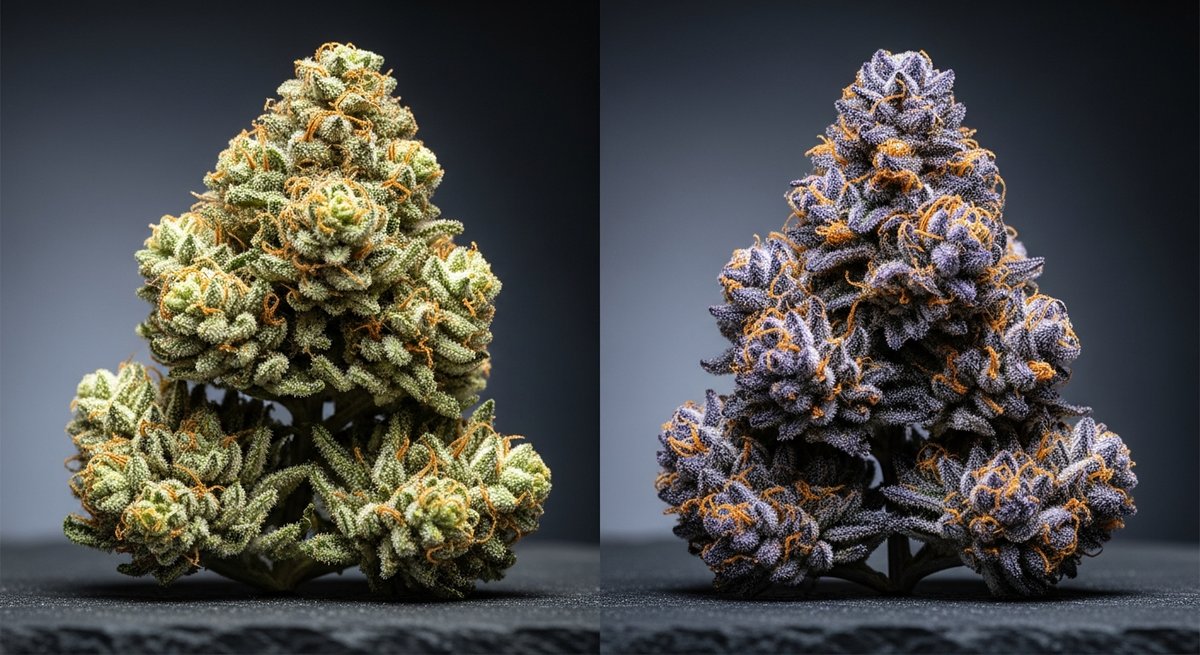
Northern Lights is a classic indica known for heavy physical relaxation and deep, sedating effects – making it a go-to for evening wind-downs. Blueberry is also an indica-dominant cultivar, but it delivers a gentler, more euphoric body high with a famously sweet berry flavour. Both strains suit evening use, but Northern Lights leans harder into sedation while Blueberry offers a softer, mood-lifting experience. If you want to shut off completely, Northern Lights wins. If you want to relax and still feel present, Blueberry is the better fit.
What Is Northern Lights?
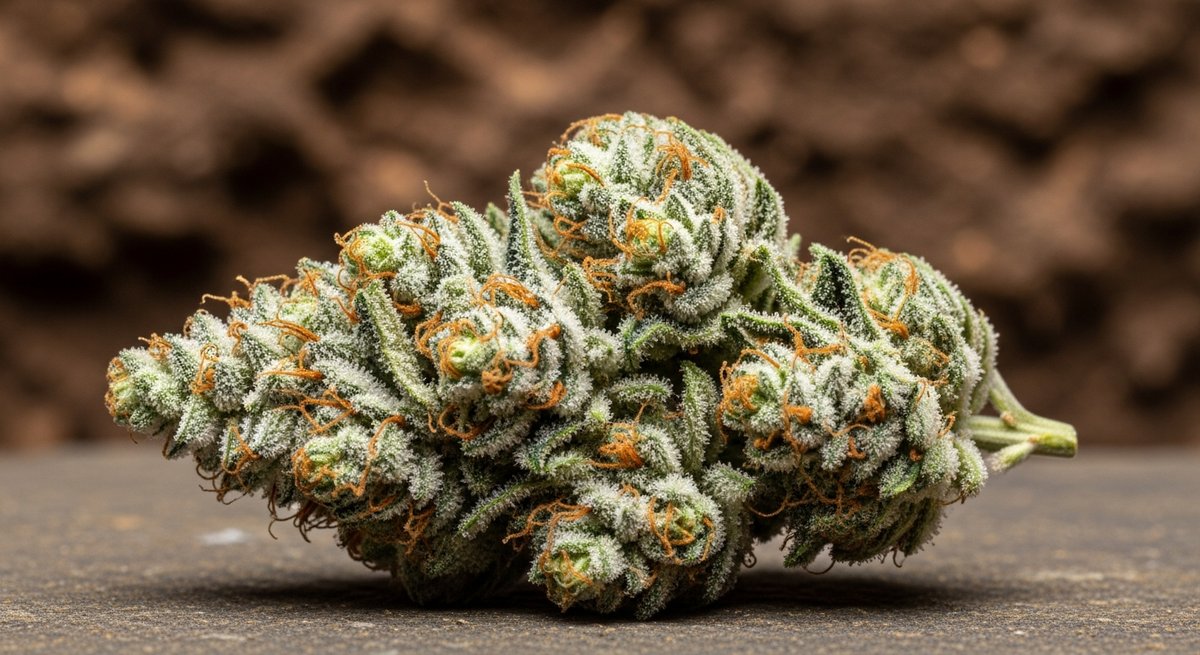
Northern Lights is one of the most iconic indica strains ever bred. Its lineage traces back to Afghani and Thai landrace genetics, refined throughout the 1980s into the benchmark sedating indica most people think of today. THC typically sits between 16% and 21%, with CBD rarely exceeding 0.1%.
The dominant terpenes (the aromatic compounds that shape both scent and effect) are myrcene, caryophyllene, and pinene. Myrcene drives the heavy, couch-lock quality. Caryophyllene adds a faint spice and may contribute to its calming edge. The result is a strain that delivers full-body relaxation, mental quieting, and – at higher doses – genuine sedation.
Northern Lights is best suited for late evenings, rest days, or any moment when you want to genuinely disengage. It has influenced dozens of modern cultivars, including Aurora Borealis and Gigabud. If you’re curious how it holds up against other popular indicas, the Gary Payton vs Northern Lights and White Truffle vs Northern Lights breakdowns are worth reading.
What Is Blueberry?
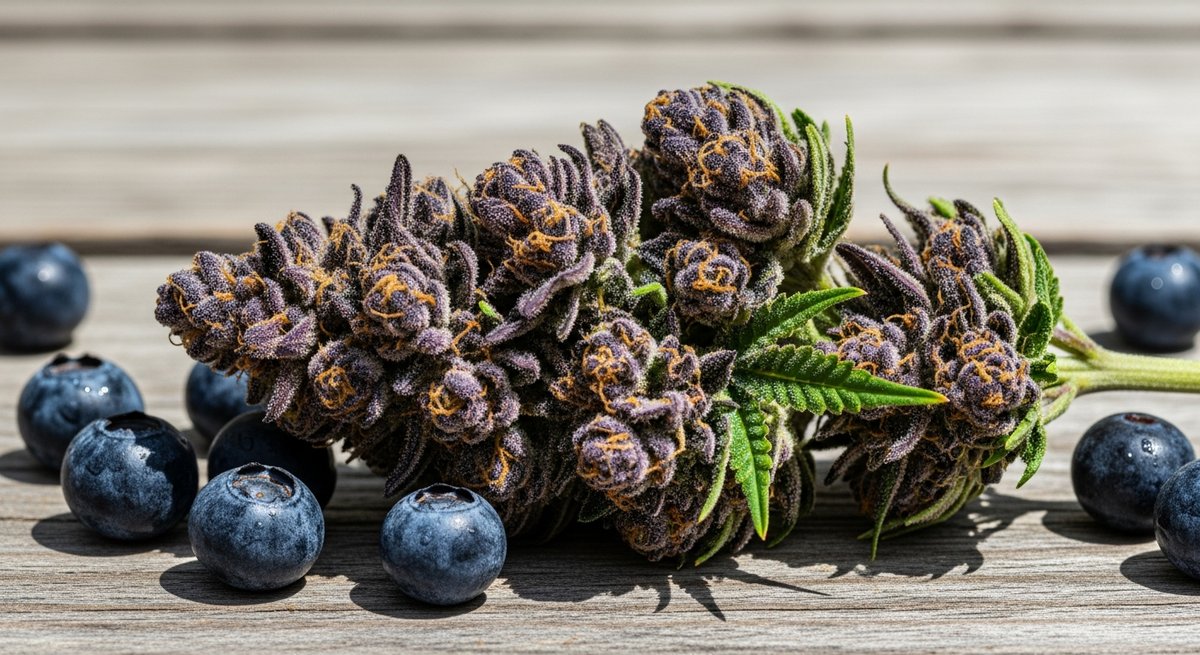
Blueberry was developed by breeder DJ Short in the late 1970s, crossing Afghani, Thai, and Purple Thai landrace genetics. It won the High Times Cannabis Cup for Best Indica in 2000 – a title it earned through consistent quality rather than hype. THC typically ranges from 15% to 20%, and CBD content is usually below 1%.
Blueberry’s terpene profile centres on myrcene, ocimene, and linalool. That combination produces the strain’s signature sweet, fruity aroma alongside a calming, mildly euphoric effect. Linalool – also found in lavender – is associated with gentle relaxation without the heavy sedation myrcene alone can create. The result is a strain that eases tension and lifts mood without pinning you to the sofa for the entire evening.
Blueberry is well-suited for early evenings, social settings, or low-key creative activities. It shares genetic heritage with cultivars like Blue Moonshine and has influenced a wide family of berry-forward hybrids. Growers tend to find it moderately demanding, rewarding patience with dense, resinous flower and a vivid purple-blue colouration.
Northern Lights vs Blueberry – Key Differences
At a glance, these two strains share more than they differ – but the differences matter when choosing between them.
| Category | Northern Lights | Blueberry |
|---|---|---|
| THC% range | 16% – 21% | 15% – 20% |
| CBD% range | Under 0.1% | Under 1% |
| Dominant terpenes | Myrcene, caryophyllene, pinene | Myrcene, ocimene, linalool |
| Primary effects | Deep relaxation, sedation, mental quiet | Relaxation, euphoria, gentle mood lift |
| Best time of day | Late evening / night | Early evening |
| Best for | Sleep, pain relief, deep relaxation | Anxiety, relaxation, mild social ease |
| Flavour profile | Earthy, pine, faint sweetness | Sweet berry, tropical fruit, vanilla |
| Growing difficulty | Beginner-friendly | Moderate |
Effects Comparison
Northern Lights tends to arrive as a slow, spreading wave. Within 10 to 15 minutes of consumption, many users report a heaviness moving through the limbs and a gradual quieting of mental chatter. The experience is predominantly physical – tension dissolves, the body sinks, and the urge to move fades. At moderate doses, it stays at a pleasant heaviness. At higher doses, sedation becomes the main event. Effects typically last two to three hours, with the sedating tail extending further if you’re already tired.
Blueberry feels noticeably lighter. The onset is similarly gradual, but the dominant sensation is a warm, mood-lifting euphoria alongside physical relaxation. Many users describe feeling at ease without feeling locked in place. The mental experience is gentle – thoughts slow down, but you remain present and conversational. Duration is comparable to Northern Lights, roughly two to three hours, though the euphoric phase tends to taper before the body relaxation fades.
Both strains are well-tolerated by most consumers, though dry mouth and dry eyes are common with each. Northern Lights carries a slightly higher risk of couch-lock for newer consumers, so starting with a smaller amount is wise. If you’re weighing delivery methods, the CBD vape vs THC vape for sleep guide is a useful companion read.
Which Strain Is Better for Sleep?

Sleep is the most searched use case for both of these strains, and for good reason. Both are indica-dominant cultivars with myrcene-forward terpene profiles – a combination that evidence suggests may support relaxation and easier sleep onset.
That said, Northern Lights is the stronger choice for sleep. Its higher myrcene concentration and lack of mood-elevating terpenes like linalool means the experience moves more directly toward sedation. Many users report that it shortens the time spent lying awake and deepens the sense of physical heaviness that precedes sleep. Cultivars with similar sedating profiles, such as Black Domina and Big Love, are often recommended alongside it for the same reason.
Blueberry is not a poor choice for sleep – it simply suits a lighter need. If racing thoughts are the primary issue rather than physical restlessness, Blueberry’s linalool content may actually be the better fit. As always, start low and adjust based on your own response.
Where to Buy Northern Lights and Blueberry
You can explore both strains and find licensed options through the links below.
- Northern Lights strain page – full profile, effects, and available products
- Blueberry strain page – full profile, effects, and available products
- Shop flower and prerolls – browse indica flower from verified brands
- Shop vapes and cartridges – convenient options for both strains
- Explore the full strains hub – compare hundreds of cultivars side by side
If you want a flexible way to try indica-leaning effects in a controlled dose, the Hometown Hero 25mg Live Rosin Day & Night Discovery Pack lets you compare daytime and evening formulas side by side. For a lighter starting point, the 5mg version of the same pack is a low-commitment way to get a feel for the format before committing to a full dose.
Frequently asked questions
Is Northern Lights stronger than Blueberry?
In terms of raw THC content, Northern Lights has a slight edge – typically reaching 21% compared to Blueberry’s ceiling of around 20%. More meaningfully, Northern Lights feels stronger for most users because its terpene profile pushes hard toward sedation, while Blueberry’s effect is softer and more euphoric. Potency depends on the specific batch, your tolerance, and how you consume, so THC percentages are a guide rather than a guarantee.
What are the effects of Northern Lights vs Blueberry?
Northern Lights produces deep physical relaxation, mental quieting, and sedation – the kind of experience that makes a sofa feel like a reasonable place to spend the evening. Blueberry delivers relaxation alongside a warmer, more euphoric lift. Many users report Blueberry feels sociable and mood-brightening, where Northern Lights leans toward withdrawal and rest. Both are indica-dominant and best suited to evening use.
Which is better for sleep – Northern Lights or Blueberry?
Northern Lights is generally the better choice for sleep. Its myrcene-dominant profile and heavily sedating character make it well-suited for winding down completely. Blueberry can also support sleep, and its linalool content may be useful if anxiety or a busy mind is the issue. If you’re undecided on format, the CBD vape vs THC vape for sleep guide covers delivery method differences worth knowing.
What does Northern Lights taste like compared to Blueberry?
Northern Lights has an earthy, piney flavour with a faint sweetness underneath – classic old-school indica character. Blueberry is almost the opposite: sweet, fruity, and distinctly berry-forward, with hints of tropical fruit and vanilla. If flavour matters to you, Blueberry is the more approachable of the two for most palates. Both hold their profiles well in quality flower and live resin products.
Can you mix Northern Lights and Blueberry?
You can, and the combination is not unusual. Blending the two may soften Northern Lights’ heavier sedation while adding Blueberry’s euphoric quality to the mix. The result is still firmly an evening experience – don’t expect either strain to add energy. If you’re new to either cultivar, try each on its own first so you have a baseline before combining them. Start low, observe how each affects you individually, and go from there.