🚛 FREE DISCREET SHIPPING ON ALL ORDERS $49+

















Remedy vs cannatonic — Which Is Right for You?
Remedy is a CBD-dominant flower best suited for calm, clear-headed relief throughout the day, while Cannatonic is a balanced hybrid that pairs modest THC with high CBD for gentle, approachable effects. If you want virtually zero intoxication, Remedy is your cultivar. If you prefer a mild psychoactive edge alongside CBD’s calming properties, Cannatonic delivers that middle ground. Both sit firmly

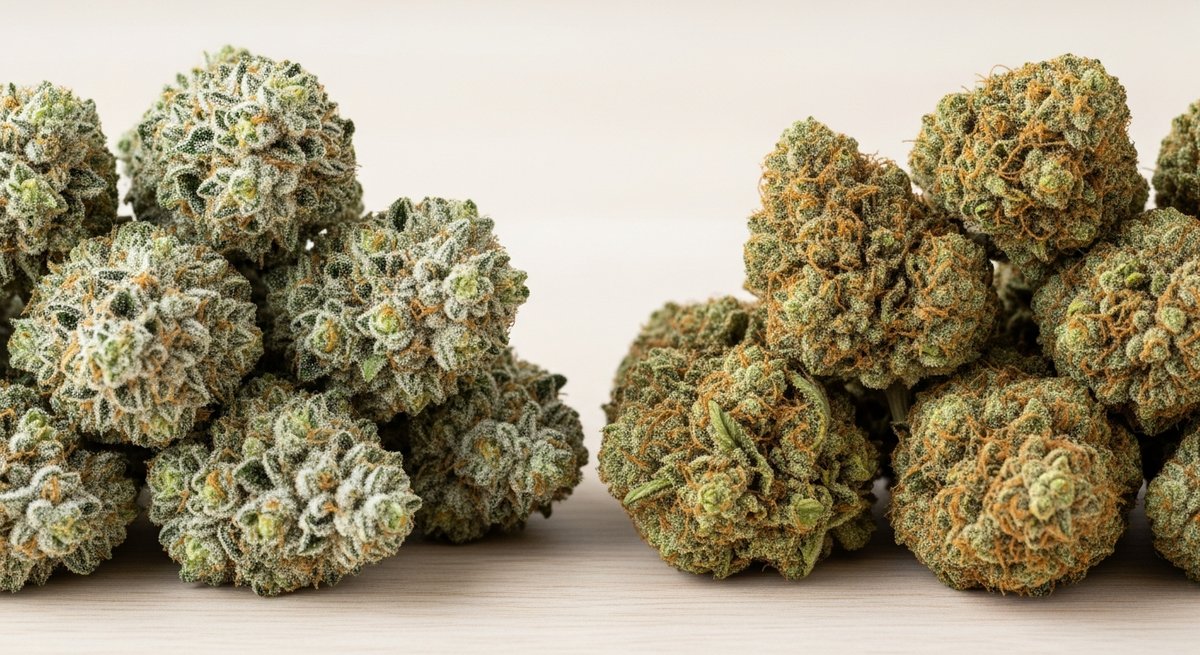
Remedy is a CBD-dominant flower best suited for calm, clear-headed relief throughout the day, while Cannatonic is a balanced hybrid that pairs modest THC with high CBD for gentle, approachable effects. If you want virtually zero intoxication, Remedy is your cultivar. If you prefer a mild psychoactive edge alongside CBD’s calming properties, Cannatonic delivers that middle ground. Both sit firmly in the high-CBD category, making them popular choices among people exploring cannabis on the strains spectrum without chasing a heavy high.
What Is Remedy?
Remedy is a CBD-dominant indica-leaning hybrid bred from Cannatonic and Afghan Skunk. It was developed specifically to push CBD as high as possible while keeping THC well below the threshold for intoxication – typically under 1%. Most lab-tested Remedy flower lands between 14% and 18% CBD, with some batches reaching 20%. That near-zero THC content means you can consume it at any time without worrying about impairment.
The dominant terpenes (aromatic compounds that shape both scent and effect) in Remedy are typically myrcene, caryophyllene, and pinene. Together they produce an earthy, woody, slightly piney aroma with subtle herbal undertones. Effects are described as calm and grounding – a body-focused ease without mental fog. Many users reach for Remedy during stressful moments, after physical exertion, or when they simply want to take the edge off without any hint of a high. It’s one of the more approachable cultivars for people new to cannabis or sensitive to THC.
What Is Cannatonic?
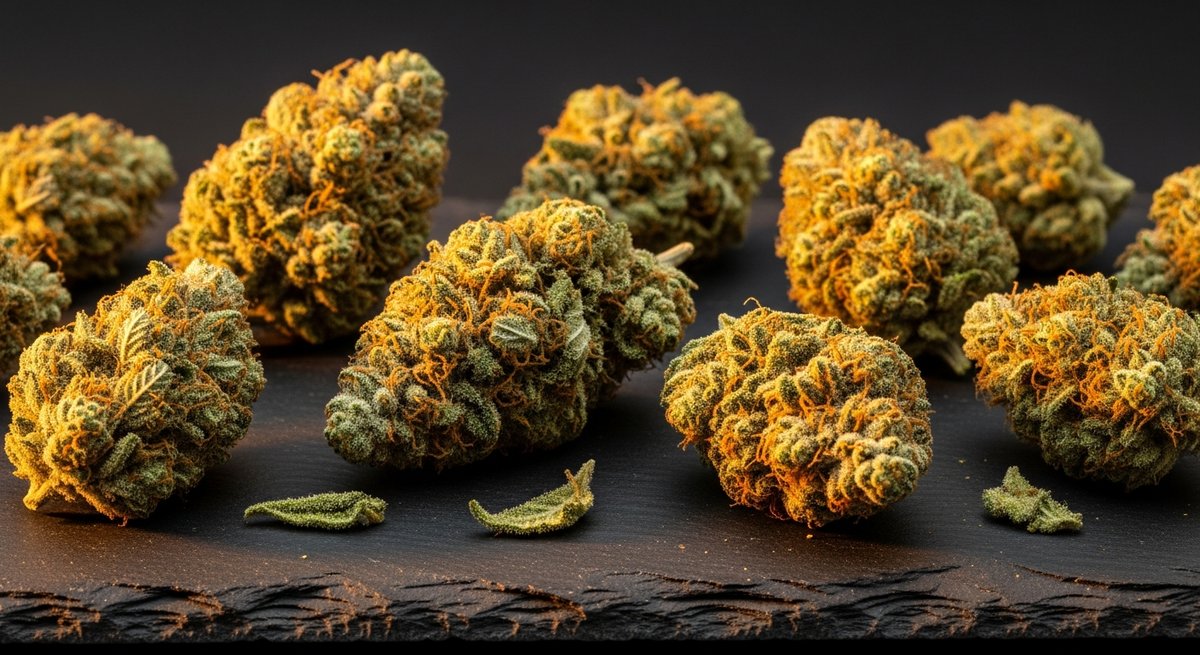
Cannatonic is a balanced hybrid created by Spanish breeders Resin Seeds, crossing MK Ultra with G13 Haze. It typically carries 6% to 17% CBD alongside 6% to 17% THC, though many phenotypes lean toward a roughly 1:1 ratio. That balance is what made Cannatonic one of the first cultivars to put high-CBD cannabis on the map for a mainstream audience.
Dominant terpenes include myrcene, caryophyllene, and ocimene, giving Cannatonic a mellow, slightly sweet, citrusy and earthy profile. Because THC is present in meaningful quantities, users often notice a light, relaxed euphoria alongside the body ease that CBD provides. The overall experience is gentle – more like a soft exhale than a traditional psychoactive effect. Cannatonic is often chosen for daytime or early-evening use when you want clarity with a calm undertone. Evidence suggests it may help with stress, mild discomfort, and anxious feelings without the intensity that high-THC cultivars can bring. Understanding how terpenes interact with cannabinoids can help you predict what each phenotype will feel like – our article on THCA and terpenes explores that relationship in more detail.
Remedy vs Cannatonic – Key Differences
Both cultivars sit in the high-CBD category, but they serve meaningfully different needs. The table below captures the core distinctions at a glance.
| Category | Remedy | Cannatonic |
|---|---|---|
| THC% range | Under 1% | 6% – 17% |
| CBD% range | 14% – 20% | 6% – 17% |
| Dominant terpenes | Myrcene, caryophyllene, pinene | Myrcene, caryophyllene, ocimene |
| Primary effects | Calm, grounded, no intoxication | Relaxed, mild euphoria, clear-headed |
| Best time of day | Any time, including work hours | Daytime to early evening |
| Best for | Anxiety, sensitivity to THC, daily calm | Anxiety, mild pain, light relaxation |
| Flavour profile | Earthy, woody, piney, herbal | Sweet, citrus, earthy, mellow |
| Growing difficulty | Moderate | Moderate to challenging |
Effects Comparison

Remedy’s effects arrive quietly. Because THC is nearly absent, there’s no head change – just a gradual easing of physical tension and a calmer mental state. Many users report feeling settled rather than sedated, which is why it works so well during the day. Onset typically takes 5 to 15 minutes when vaped or smoked, with effects that many find last two to three hours at a gentle, consistent level. Intensity is low by design – Remedy isn’t built to overwhelm.
Related reading: Best Vapes for Anxiety Relief: Calm Strains and Products. Related reading: Is CBD Oil Legal: A Comprehensive Guide.
Cannatonic feels slightly more dynamic. The presence of THC means some users notice a soft lift in mood alongside the body ease. It’s rarely described as intoxicating, but it’s also not entirely neutral. Onset is similarly quick when inhaled, and the experience tends to feel balanced – neither purely physical nor purely mental. If you’re curious about whether a vape format suits your goals better than flower, the comparison between CBD vapes and THC vapes is worth reading. Duration for Cannatonic is often two to four hours depending on the phenotype and your personal tolerance.
Both strains tend to avoid the anxious edge that high-THC cultivars can trigger in sensitive users. That’s part of what makes them stand out in their category.
Which Strain Is Better for Anxiety?
For anxiety specifically, Remedy has a meaningful edge – particularly if you’re sensitive to THC. Evidence suggests that even low levels of THC can amplify anxious feelings in some people, especially at higher doses or in unfamiliar settings. Remedy removes that variable entirely. Its high CBD and near-zero THC content make it one of the safer picks for anyone who wants to take the edge off without introducing a psychoactive element.
See also: Is CBD Oil Legal: A Comprehensive Guide.
That said, Cannatonic is widely regarded as one of the gentler THC-containing cultivars for anxious users. Its roughly 1:1 CBD-to-THC ratio appears to soften the psychoactive effect, and many users report feeling calm rather than wired. Our guide to the best vapes for anxiety relief highlights why high-CBD, lower-THC products tend to dominate this category.
The verdict: if anxiety is your primary reason for choosing cannabis, start with Remedy. If you’ve found pure CBD too subtle in the past, Cannatonic may offer the gentle boost you’re looking for.
Where to Buy Remedy and Cannatonic
Both cultivars are most reliably found at licensed dispensaries and reputable online retailers who lab-test their products. When shopping, check the certificate of analysis (COA) for confirmed CBD and THC percentages – labeling in the high-CBD category can vary widely between phenotypes and growers.
Shop Remedy and cannatonic at Weed.com: RAW Hemp Wick.
You can browse available flower and prerolls or explore vapes and carts for a more controlled, discreet consumption format. Vape cartridges in particular let you dial in your dose more precisely, which matters when you’re working with CBD-to-THC ratios. If you’re curious about how CBD and other cannabinoids compare more broadly, the breakdown of Delta 8 vs CBD is a useful read before you buy.
Buy Remedy and Cannatonic Seeds

Growing your own high-CBD cannabis gives you control over phenotype selection – which matters a lot with cultivars like Remedy and Cannatonic, where CBD and THC percentages can shift significantly between plants. Both strains are moderately challenging to grow but reward patience with generous yields. You can find a curated selection of quality genetics through the cannabis seeds collection. For a cleaner burn at home, pairing your flower with a RAW Hemp Wick is a simple upgrade worth considering.
Frequently Asked Questions
Is Remedy stronger than Cannatonic?
It depends on what you mean by stronger. Remedy typically carries more CBD – often 14% to 20% versus Cannatonic’s 6% to 17%. But Cannatonic contains meaningful THC (up to 17%), which Remedy essentially does not. If you’re measuring intoxicating strength, Cannatonic wins. If you’re measuring CBD potency and non-intoxicating character, Remedy comes out ahead.
What are the effects of Remedy vs Cannatonic?
Remedy produces a calm, grounded, body-focused effect with no psychoactive component. Cannatonic delivers a similar body ease but adds a gentle, soft-edged mental lift from its THC content. Both are considered approachable and low-intensity compared to most cannabis cultivars. Many users report either as a good starting point for cannabis exploration.
Which is better for anxiety – Remedy or Cannatonic?
For most people managing anxiety, Remedy is the safer choice because its THC content is negligible. Evidence suggests THC can sometimes worsen anxious feelings, especially at higher doses or in people new to cannabis. Cannatonic’s balanced ratio makes it one of the more anxiety-friendly THC-containing options, but if you want to eliminate that risk entirely, Remedy is the more predictable pick.
What does Remedy taste like compared to Cannatonic?
Remedy has a distinctly earthy, woody, and piney flavour profile driven by its pinene and myrcene content. It’s more herbal and forest-floor than fruity. Cannatonic reads a little sweeter – think mild citrus layered over a soft earthiness. If you prefer floral or bright notes, Cannatonic is more likely to suit your palate. Both are subtler than high-terpene, high-THC cultivars.
Can you mix Remedy and Cannatonic?
You can, and some users blend them to fine-tune their CBD-to-THC ratio. Adding Remedy to a Cannatonic session effectively dilutes the THC while keeping CBD high. It’s a practical approach if Cannatonic alone feels slightly more psychoactive than you’d like. As always, start with a small amount, observe how you feel, and adjust from there.