🚛 FREE DISCREET SHIPPING ON ALL ORDERS $49+










Sativa Vape Pens for Hiking Running and Outdoor Days
You have a summit planned, a trail run on the calendar, or a long afternoon in the backcountry. You want to feel present and energized without the heavy sedation that can come with some cannabis products. That tension – wanting the mood lift and sensory sharpening of a sativa without anything that slows you down – is exactly what drives

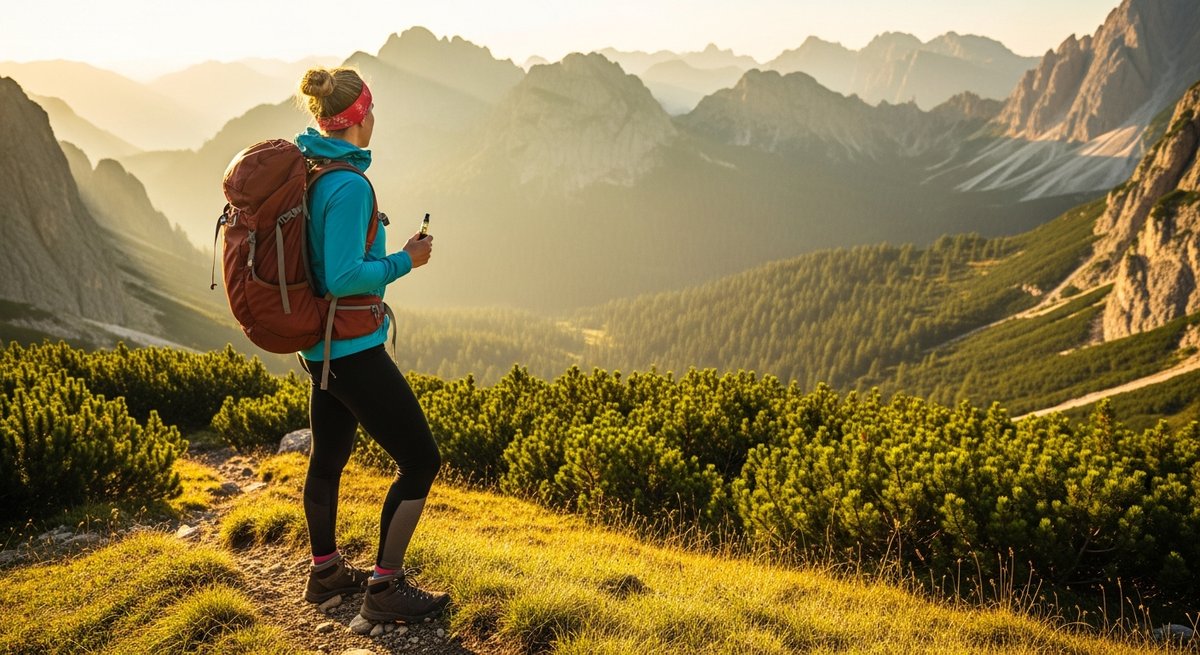
You have a summit planned, a trail run on the calendar, or a long afternoon in the backcountry. You want to feel present and energized without the heavy sedation that can come with some cannabis products. That tension – wanting the mood lift and sensory sharpening of a sativa without anything that slows you down – is exactly what drives the conversation around using a sativa vape pen for outdoor activity.
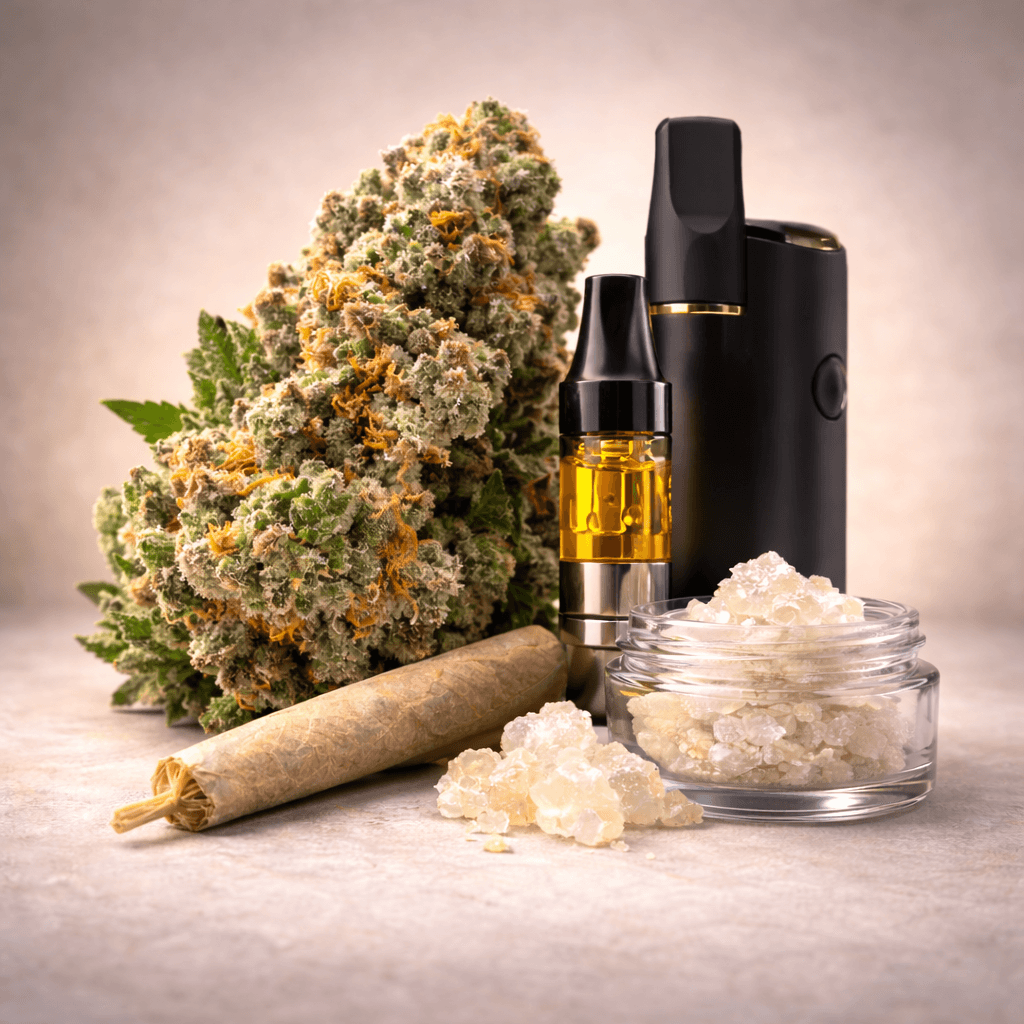
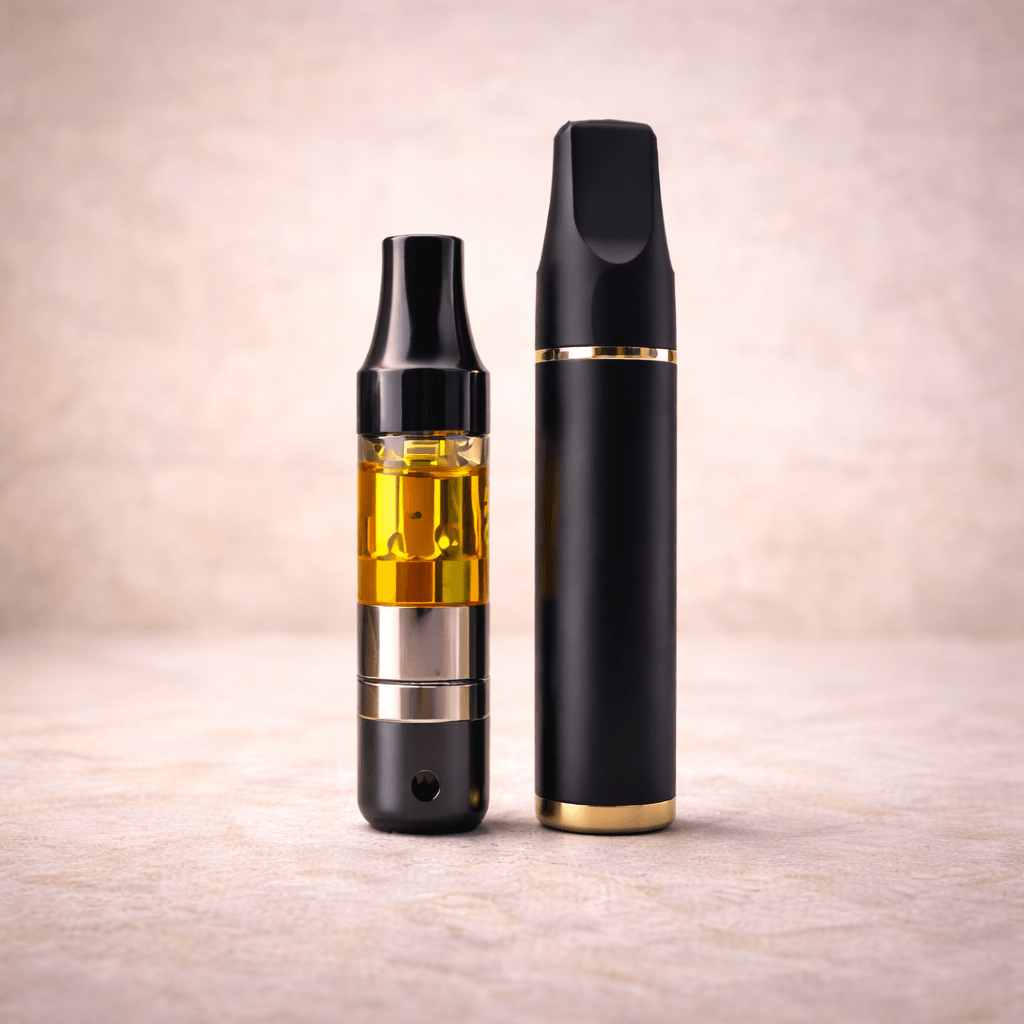
Vape pens have practical advantages outdoors. They are pocket-sized, produce no open flame, and deliver effects in minutes rather than the extended wait of an edible. A quick puff at a trailhead is far more manageable than trying to dose an unknown edible before a climb. That said, altitude, exertion, hydration, and personal tolerance all interact in ways that deserve a clear look before you head out.
This piece covers what sativa cultivars actually do to energy and focus, how vaping fits an active day, which terpene profiles tend to support an upbeat headspace, and how to match product choices to your activity without overdoing it.
What “sativa effects” actually means
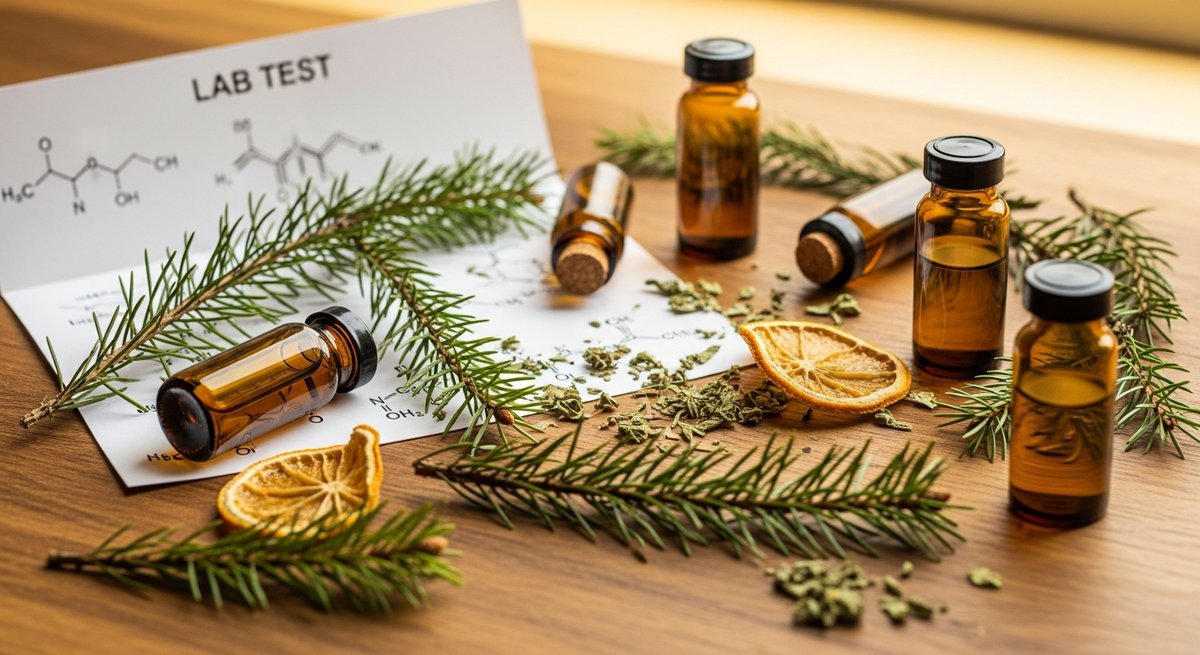
The word sativa on a label is more a consumer shorthand than a strict botanical guarantee. Dispensaries and brands use it to signal a profile that tends toward uplifting, cerebral, and energizing effects – as opposed to the heavier body relaxation associated with indica-leaning cultivars. What actually drives that experience is the combination of cannabinoids and terpenes in a given product.
Terpenes like limonene (citrusy, associated with elevated mood), pinene (piney, linked to alertness), and terpinolene (fresh, slightly floral) appear frequently in sativa-leaning products. Beta-caryophyllene, a spicy terpene that interacts with CB2 receptors, often shows up alongside them and may contribute anti-inflammatory properties relevant to active recovery.
THC concentration matters too, but not in a simple “more is better” way. Higher THC can amplify anxiety at altitude or under physical stress, so many experienced outdoor users prefer moderate-potency carts. The goal for an outdoor day is flow, not intensity. For a deeper look at how cultivars map to mental output, the editorial guide on sativa vape pens for focus and top strains breaks down the landscape in detail.
Expert Insight
Dr. Alexander Tabibi
Dr. Alexander Tabibi
A comprehensive review in Headache examined the individual and synergistic medicinal properties of cannabinoids, terpenes, and flavonoids in cannabis. The review notes that these compounds may work together through what researchers call the entourage effect – meaning the full chemical profile of a cultivar can influence outcomes in ways that isolated THC alone does not predict.
For outdoor users, this is a practical takeaway: reading a terpene panel on a cart label is more informative than reading THC percentage alone. Terpene-rich, full-spectrum-style formulations may better reflect what a cultivar actually delivers – though individual responses vary considerably.
Baron et al. (2018). Medicinal Properties of Cannabinoids, Terpenes, and Flavonoids in Cannabis, and Benefits in Migraine, Headache, and Pain: An Update on Current Evidence and Cannabis Science. Headache, 58(7):1139-1186. PMID: 30152161
Why vaping fits an active outdoor context
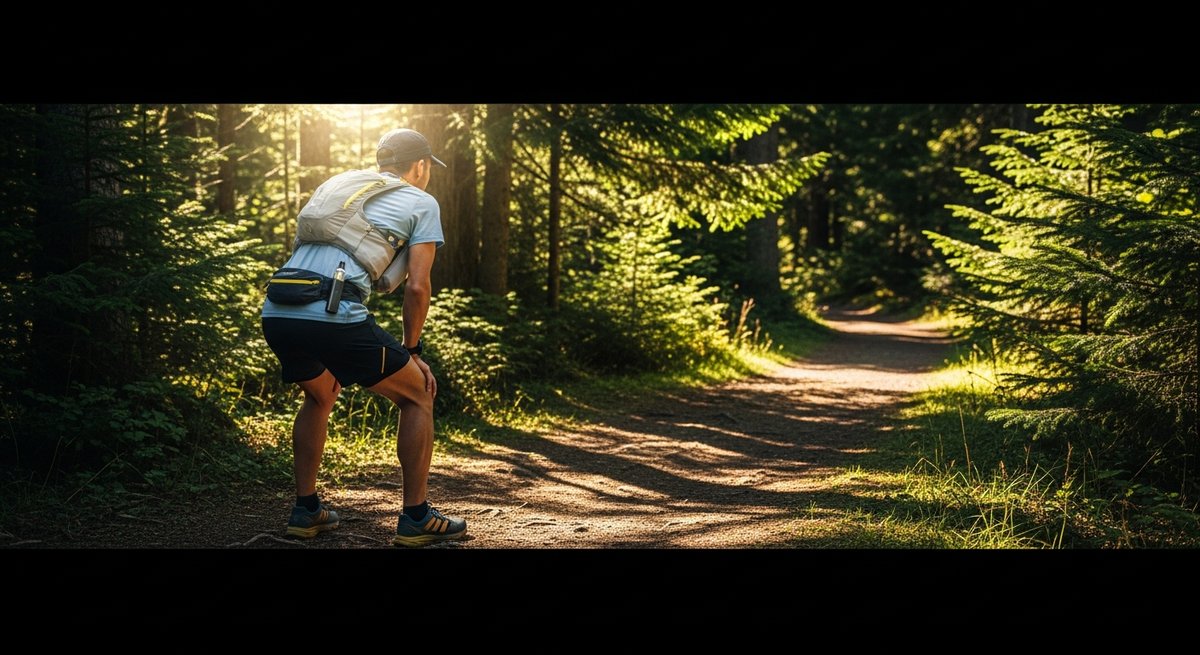
Onset speed is the primary practical advantage. Inhaled cannabis typically produces effects within two to five minutes, which means you can take one or two puffs, wait, and assess before deciding whether to consume more. That level of real-time control is hard to achieve with edibles, where a delayed onset can easily lead to overconsumption before a hike or run.
Vape pens also skip the combustion products of smoking. You get vapor, not smoke, which matters when your lungs are doing extra work on a steep climb or at elevation. Disposable pens and rechargeable 510-thread carts both travel well – no grinder, no papers, no loose material to spill at the summit.
Duration is worth planning around. Vaped effects tend to peak around 20 to 30 minutes and taper over one to two hours for most people. Plan your timing around rest stops and route segments rather than trying to stay medicated the entire outing.
Altitude, exertion, and getting the dose right
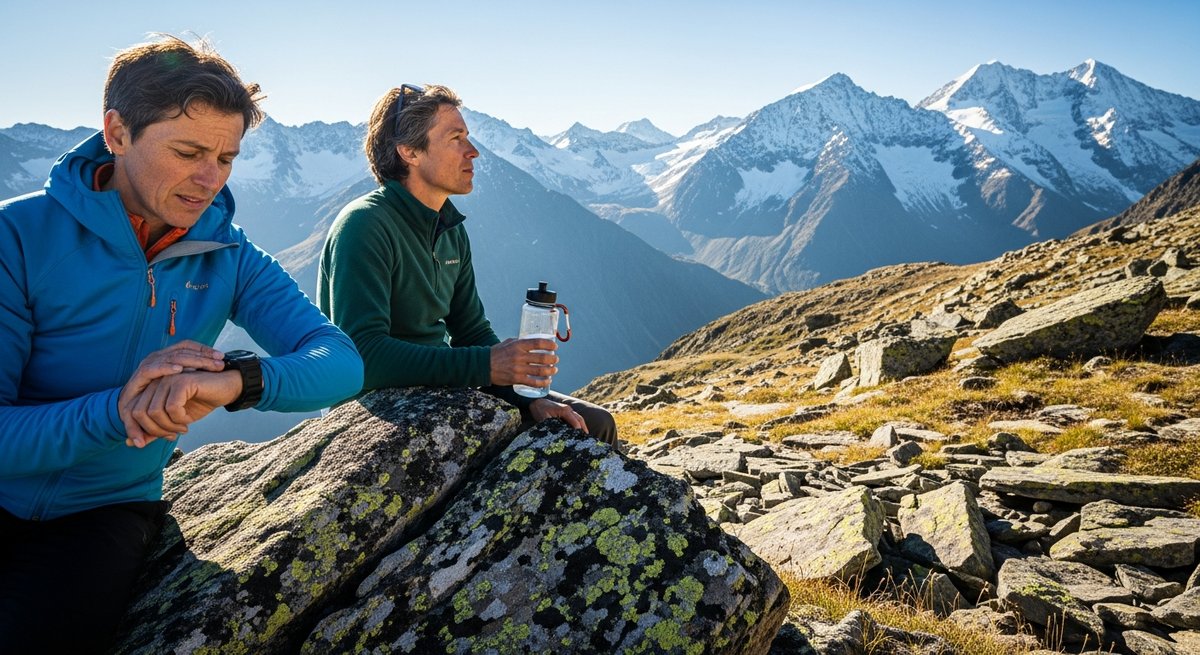
Altitude changes how cannabis hits. Reduced oxygen availability at elevation can intensify the cardiovascular response to THC, including a temporarily elevated heart rate. If you are hiking above 8,000 feet and are not acclimatized, approach dosing more conservatively than you would at sea level. One or two puffs is a reasonable starting point; hold off on redosing until you have a clear read on how you feel.
Dehydration amplifies every effect. Trail running and long hikes increase fluid loss, and dehydration can make any mild dizziness from THC feel more pronounced. Drink water before and after you consume. Tolerance is another variable – someone who rarely uses cannabis will feel a significant effect from a fraction of what a regular user requires. The start low, go slow principle applies especially in outdoor settings.
Many outdoor-focused users report that the sweet spot is a light, functional dose – enough to heighten sensory appreciation and mute performance pressure, without impairing coordination or judgment. That means erring toward lower-THC carts or a single measured puff rather than chasing intensity.
After the activity: vaping for recovery
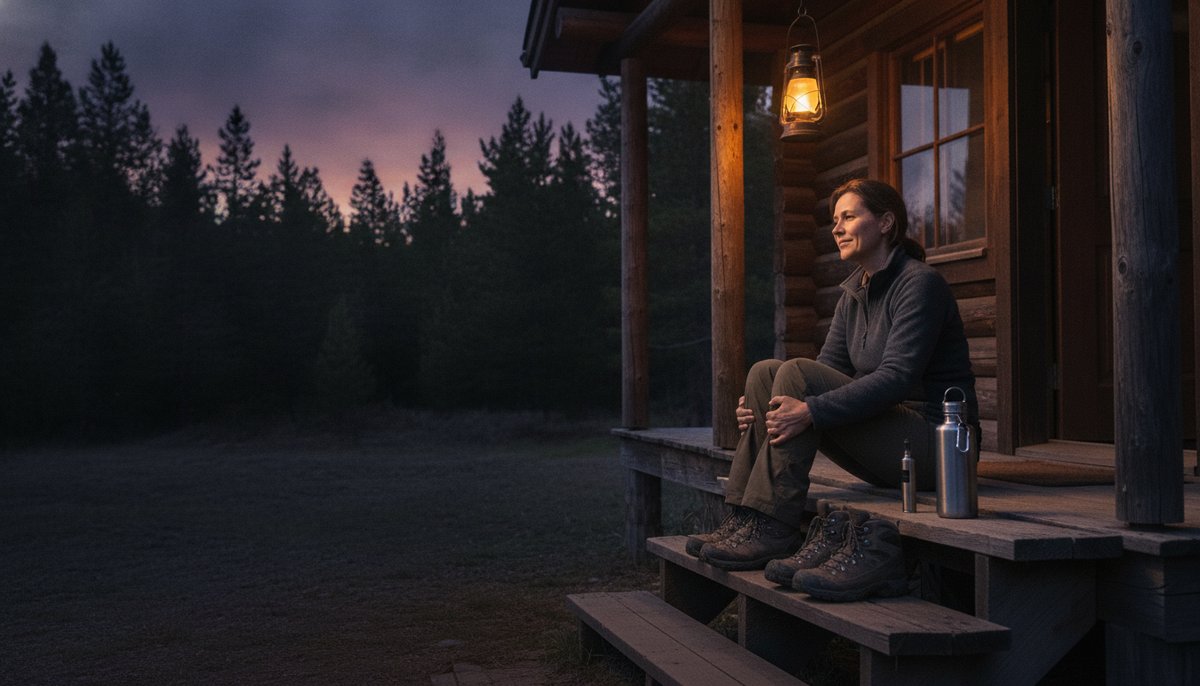
The post-hike or post-run phase is where many outdoor users find cannabis most useful. Muscle soreness, tight joints, and general fatigue are real after a long day on the trail. The cultivar logic shifts here: a hybrid or slightly more relaxing profile may suit the evening better than a bright sativa does.
Beta-caryophyllene-rich cultivars remain relevant at this stage because of that terpene’s interaction with CB2 receptors. It will not replace rest and nutrition, but pairing a terpene-rich vape with proper recovery habits is a reasonable approach for many active adults. If muscle soreness is a primary concern, the breakdown of strains for vaping to address back pain and muscle soreness is worth reading, as is the comparison of full-spectrum versus broad-spectrum vapes for pain relief.
Expert Insight
Dr. Alexander Tabibi
Dr. Alexander Tabibi
A preclinical study published in Pain found that CBD decreased joint afferent firing rate and increased weight bearing in a rat osteoarthritis model. Prophylactic CBD application prevented the development of OA pain and nerve damage over five weeks, suggesting a neuroprotective component alongside the anti-inflammatory effect. These findings come from an animal model and do not translate directly to human outcomes.
For active adults dealing with post-exercise joint soreness, this preclinical work hints at why CBD-containing formulations attract interest in recovery contexts. Effective doses and delivery methods studied in animals do not map cleanly onto inhaled use in humans – the research warrants attention but should not be overstated.
Philpott et al. (2017). Attenuation of early phase inflammation by cannabidiol prevents pain and nerve damage in rat osteoarthritis. Pain, 158(12):2442-2451. PMID: 28885454
Choosing the right product for outdoor days
A few practical criteria help narrow down what to bring. Battery life matters more than at home – a pen that dies mid-trail is annoying. Look for products that list terpene content, specify the cannabinoid profile, and come from licensed dispensaries with lab testing.
Dual-chamber disposable pens offer useful flexibility for active days – you might use a bright sativa-leaning chamber for the ascent and a more balanced hybrid for the cool-down. Cookies is one of the better-known brands in this space, and their 2G dual-chamber format pairs two distinct cultivar profiles in one compact device.
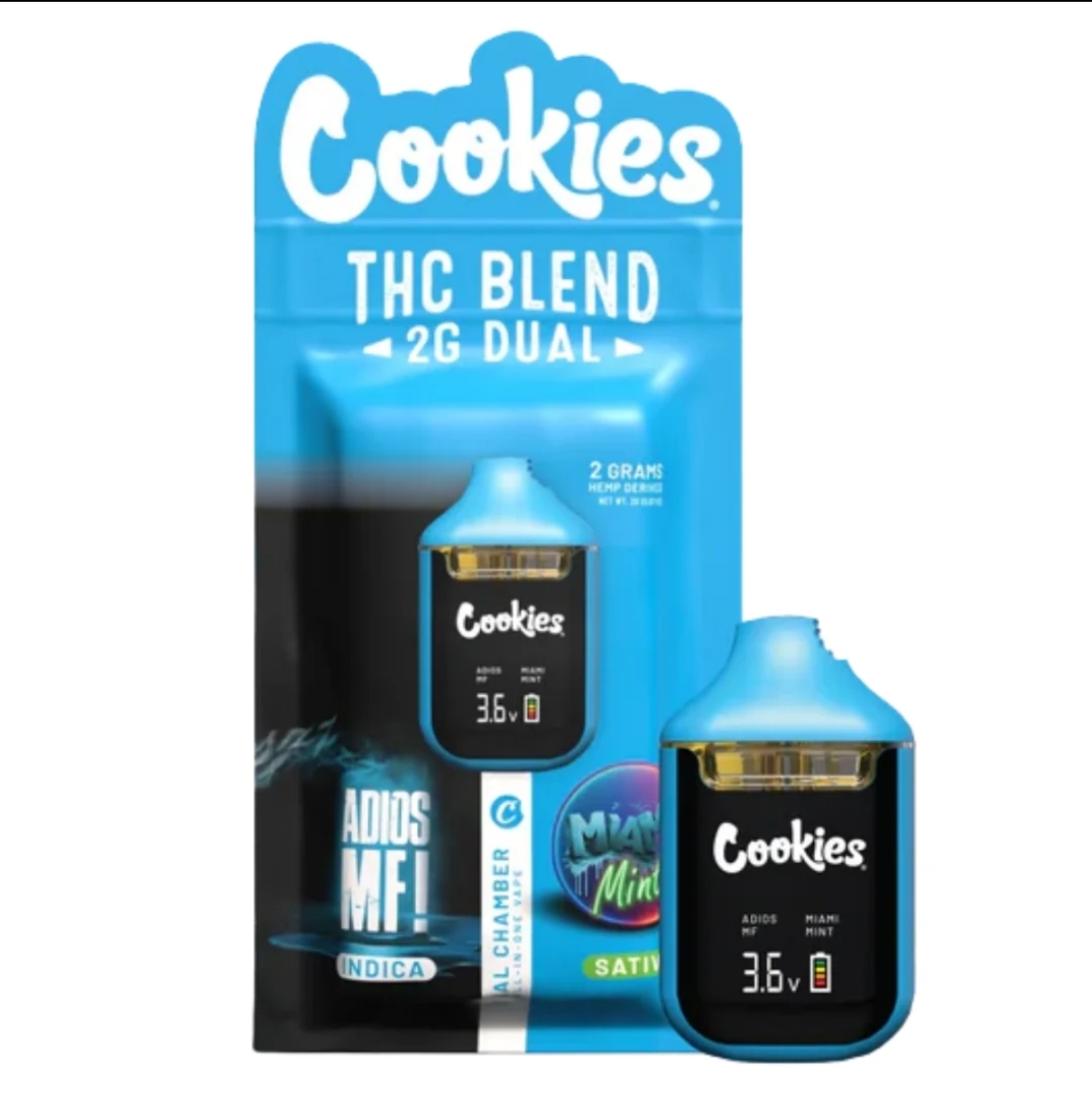
Cookies 2G Dual Chamber Vape – Adios MF! & Miami Mint
Two distinct cultivar profiles in one rechargeable 2G disposable – built for the hiker who wants options on the trail
For a straightforward 510-thread cartridge approach, a citrus-forward Delta 8 option sits at the lower end of the potency spectrum – useful for longer, lower-intensity activities like a casual trail walk or a sunset paddle.
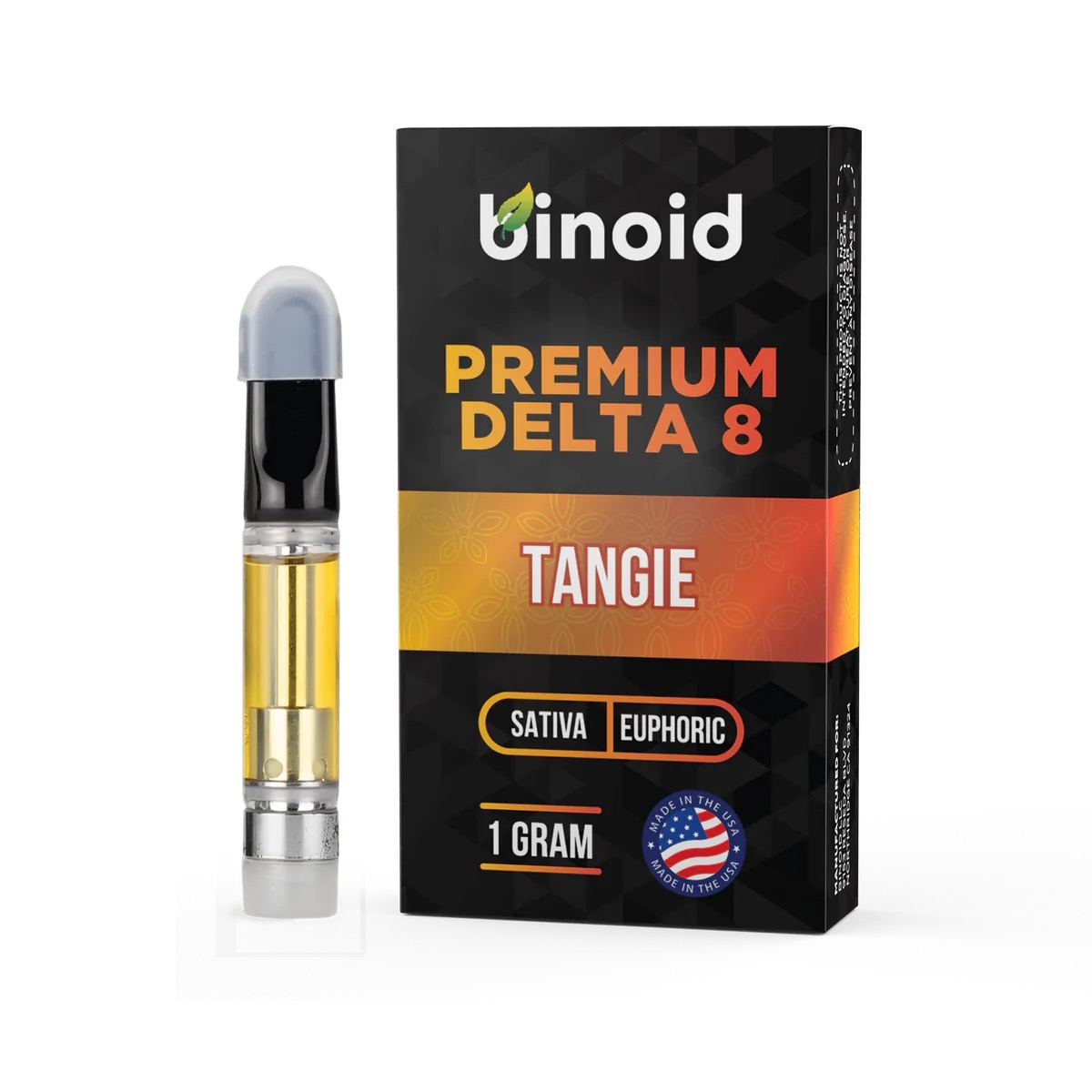
Binoid Delta 8 THC Vape Cartridge – Tangie
Citrus-forward Delta 8 cart with a milder potency curve – a measured option for longer, lower-intensity outdoor sessions
Safety, legality, and common-sense limits
Cannabis consumption on federal land – national parks, national forests, Bureau of Land Management areas – is federally prohibited regardless of state law. That covers most iconic hiking destinations in the American West. Many state parks operate under separate rules, but you need to verify the specific jurisdiction before you head out.
Impairment and navigation do not mix well. A light functional dose on familiar terrain is very different from a heavy dose on an exposed ridge or a technical scramble. Never use cannabis before driving to a trailhead or operating any motorized vehicle. Always purchase from a licensed dispensary – lab-tested products tell you what is actually in the cartridge.
FAQs – Sativa Vape Pens for Hiking, Running and Outdoor Days
Are sativa vape pens good for outdoor activities?
Many people choose sativa or sativa-dominant vape pens for hiking, running, and other daytime adventures because they are commonly associated with uplifting, energetic, and mentally stimulating effects. Individual experiences can vary depending on the strain and terpene profile.
Which vape strains are best for hiking or running?
Popular daytime strains include Durban Poison, Jack Herer, Green Crack, Sour Diesel, and Super Lemon Haze. These strains are often chosen for their reputation for promoting focus, motivation, and an active mindset.
What terpenes should I look for in an outdoor vape?
Look for vapes rich in limonene, pinene, and terpinolene. These terpenes are commonly linked with refreshing aromas and effects that many users associate with daytime energy and mental clarity.
Is it safe to vape before a hike or run?
Cannabis can affect coordination, reaction time, and judgment. If you’re on challenging trails, running in traffic, cycling, or participating in activities that require full attention, it’s best to avoid THC before starting.
How many puffs should I take before outdoor activities?
If you’re new to vaping, begin with one or two small puffs and wait 10–15 minutes before taking more. Starting with a low dose helps you find a comfortable balance without overdoing it.
Drug Interaction Notice
Cannabis may interact with medications including blood thinners, heart medications, and drugs metabolized by the liver’s CYP450 enzymes. If you take prescription or over-the-counter medications, consult your physician or pharmacist before using any cannabis product, especially during physical exertion at altitude where cardiovascular demands are elevated.
Sources
Philpott et al. (2017). Attenuation of early phase inflammation by cannabidiol prevents pain and nerve damage in rat osteoarthritis. Pain, 158(12):2442-2451. PMID: 28885454
Baron et al. (2018). Medicinal Properties of Cannabinoids, Terpenes, and Flavonoids in Cannabis, and Benefits in Migraine, Headache, and Pain: An Update on Current Evidence and Cannabis Science. Headache, 58(7):1139-1186. PMID: 30152161
Important Notice
Cannabis affects individuals differently. If you have a history of anxiety, panic disorder, or other mental health conditions, consult a qualified healthcare provider before using any cannabis product. This article is for informational purposes only and does not constitute medical advice. If you experience severe anxiety, chest pain, difficulty breathing, or feel you are in crisis, call 911 or go to your nearest emergency room immediately.
For adults 21+ only. Cannabis laws vary by state. This content is intended for informational purposes only and does not constitute medical or legal advice. If you are experiencing a medical emergency, call 911 or go to your nearest emergency room immediately.