🚛 FREE DISCREET SHIPPING ON ALL ORDERS $49+









Linalool strain vs Myrcene for sleep strain — Which Is Right for You?
Linalool strain and Myrcene for sleep strain are not traditional cultivars – they are cannabis chemotypes defined by their dominant terpenes, and that distinction shapes everything about how they feel. Linalool strain, anchored by its floral, lavender-forward terpene profile, is often chosen for anxiety relief and calm focus. Myrcene for sleep strain, built around the earthiest and most sedating terpene

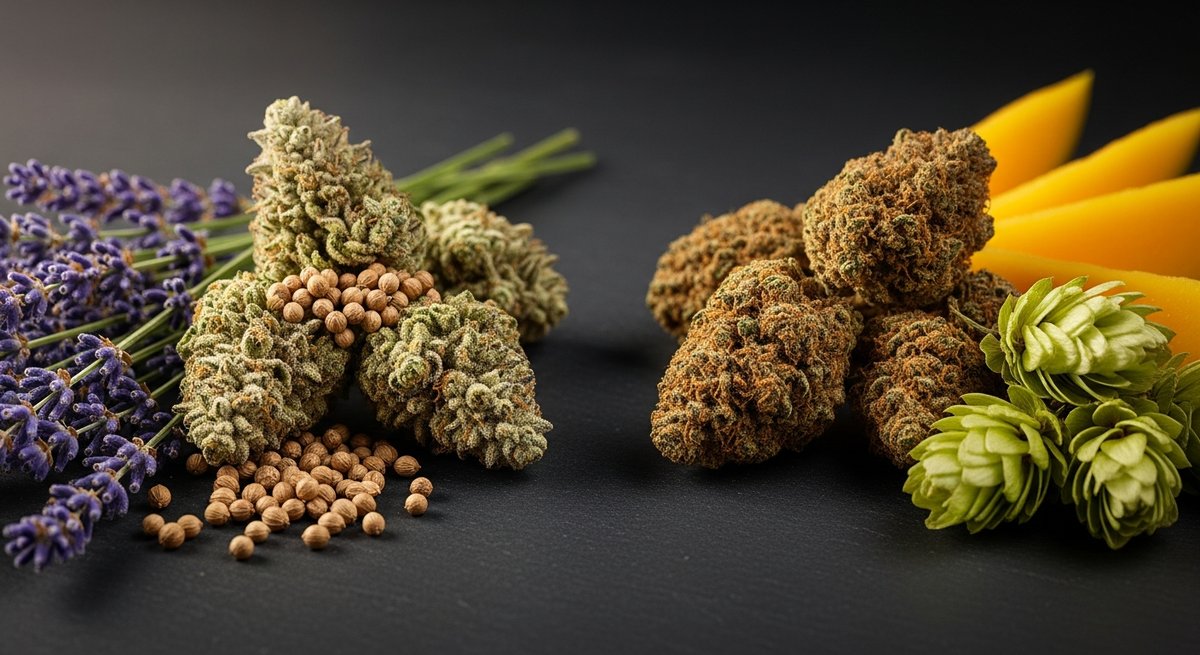
Linalool strain and Myrcene for sleep strain are not traditional cultivars – they are cannabis chemotypes defined by their dominant terpenes, and that distinction shapes everything about how they feel. Linalool strain, anchored by its floral, lavender-forward terpene profile, is often chosen for anxiety relief and calm focus. Myrcene for sleep strain, built around the earthiest and most sedating terpene in cannabis, is better suited for winding down at night. If sleep is your goal, Myrcene for sleep strain is the stronger candidate. If daytime calm is what you need, Linalool strain deserves a closer look. Browse the full cannabis strains hub to explore both chemotypes in more detail.
What Is Linalool strain?
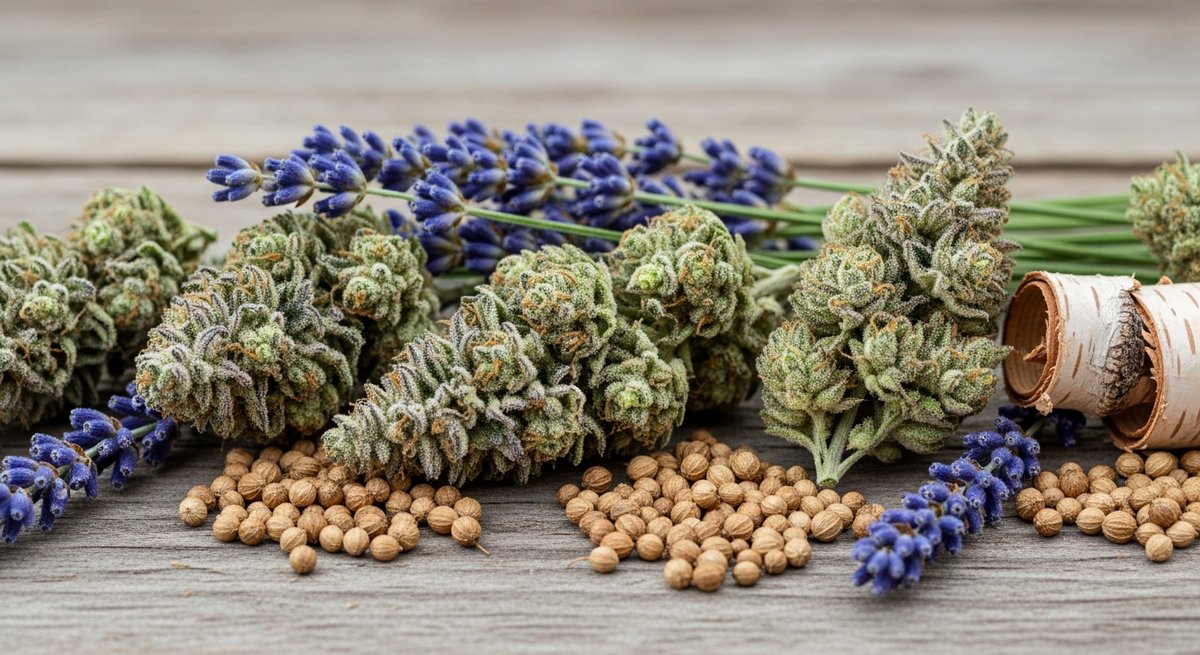
Linalool strain refers to cannabis cultivars in which linalool – a naturally occurring terpene also found in lavender, coriander, and birch trees – is the dominant aromatic compound. These cultivars are not defined by a single genetic lineage. Instead, the Linalool strain label describes any cannabis flower where linalool shapes both the scent and the effect profile most strongly.
THC levels in Linalool-dominant cultivars typically range from 14% to 22%, with CBD often sitting below 1% unless the cultivar is specifically bred for cannabidiol content. The flavour profile is floral and slightly spicy, with soft citrus undertones. Effects are commonly described as calming without being heavily sedating – users frequently report a sense of mental ease and mild body relaxation. Evidence suggests linalool may interact with the nervous system in ways that support stress relief, making these cultivars a popular choice for anxiety and light relaxation during daytime hours.
What Is Myrcene for sleep strain?
Myrcene for sleep strain describes cannabis cultivars where myrcene – the most abundant terpene found in cannabis and one also present in hops, thyme, and mangoes – leads the terpene profile. Myrcene is widely associated with heavy, couch-locking effects, and cultivars rich in this compound are consistently chosen by people looking to address sleep difficulties.
Myrcene-dominant cultivars frequently carry THC ranges of 18% to 28%, reflecting their popular crossover with potent indica-leaning genetics. CBD content varies but tends to stay under 1% in recreational cultivars. The flavour is earthy, musky, and faintly fruity – reminiscent of ripe tropical fruit with a damp forest base. Many users report that Myrcene for sleep strain produces a deep physical heaviness that arrives within 15 to 30 minutes of consumption. Evidence suggests myrcene may enhance the permeability of cell membranes, potentially amplifying the effects of THC and contributing to faster, more pronounced sedation.
Linalool strain vs Myrcene for sleep strain – Key Differences
| Category | Linalool strain | Myrcene for sleep strain |
|---|---|---|
| THC% range | 14% – 22% | 18% – 28% |
| CBD% range | Usually below 1% | Usually below 1% |
| Dominant terpenes | Linalool, often caryophyllene, terpinolene | Myrcene, often caryophyllene, limonene |
| Primary effects | Calm, mild body ease, mood lift | Deep sedation, physical heaviness, sleep onset |
| Best time of day | Daytime or early evening | Evening or bedtime |
| Best for | Anxiety, light relaxation, stress | Sleep, pain, deep relaxation |
| Flavour profile | Floral, lavender, soft citrus, light spice | Earthy, musky, tropical fruit, damp wood |
| Growing difficulty | Moderate | Moderate to easy |
Effects Comparison

Linalool strain tends to produce a smooth, measured onset. Many users report that the mental calm arrives first – a quieting of racing thoughts – followed by a gentle physical ease that rarely tips into sedation. Sessions typically last two to three hours, with a gradual come-down that leaves you functional. It is the kind of experience that works well alongside a quiet activity, a walk, or an early evening meal. If you are curious about pairing this terpene profile with a vape format, the best vapes for anxiety relief guide covers calm-leaning cultivars in detail.
Related reading: What is a Sativa strain?.
Myrcene for sleep strain moves differently. Onset is often felt in the body first – a warmth spreading through the limbs within 15 to 20 minutes of consumption. The experience intensifies over the first hour, and many users report a pronounced heaviness that makes staying upright on a sofa feel like real work. Duration runs three to five hours depending on tolerance and dose. The best vapes for sleep guide explores how myrcene-forward products perform in this format. For most people, this is a night-only chemotype. Intensity is higher than Linalool strain across the board, particularly for newer consumers.
Which Strain Is Better for Sleep?
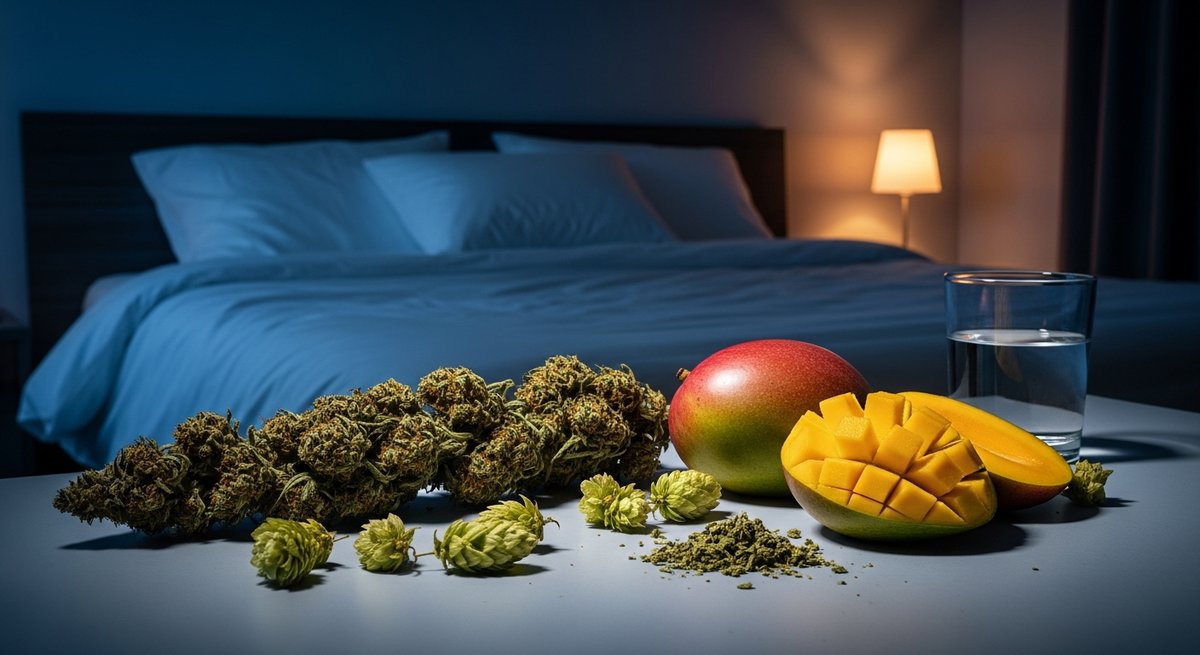
Sleep is the most searched use case for both of these terpene profiles, and the answer here is relatively clear. Myrcene for sleep strain is the stronger candidate. Evidence suggests that myrcene produces a sedating effect that few other terpenes can match, and its combination with higher THC cultivars creates the kind of full-body relaxation that many people associate with falling asleep faster and staying asleep longer.
See also: Best Vapes for Anxiety Relief: Calm Strains and Products.
Linalool strain is not without merit here – many users report that its calming mental effect makes it useful for quieting anxiety before bed. But if deep, sustained sleep is the goal, linalool alone tends to come up short. A useful way to think about it: Linalool strain gets your mind ready for sleep, while Myrcene for sleep strain takes your body the rest of the way there. If you are weighing different product formats for overnight use, the CBD vape vs THC vape for sleep breakdown is worth reading before you choose.
Where to Buy Linalool strain and Myrcene for sleep strain
The best place to find terpene-forward cultivars is a licensed dispensary that labels its products with full terpene data – not just THC percentage. Look for that information on the packaging or ask your budtender specifically about linalool and myrcene content before purchasing.
You can browse available flower and prerolls to find cultivars with terpene-specific information, or explore vapes and carts if you prefer a more controlled dose format. Vape cartridges in particular often highlight their terpene blend on the label, making it easier to confirm you are getting a linalool-forward or myrcene-forward product. If you want a broader comparison of how cannabis chemotypes sit within different categories, the what is a hybrid strain guide provides useful context on how genetics and terpenes interact.
Buy Linalool strain and Myrcene for sleep strain Seeds
Growing your own gives you more control over which terpenes end up in your final harvest. If you want to cultivate Linalool strain or Myrcene for sleep strain at home, start by sourcing genetics from a reputable breeder that publishes terpene data for its seed lines. You can find a curated selection through the cannabis seeds hub, where listings include cultivar details to help you match genetics to your target terpene profile. Both chemotypes suit moderate growers and reward careful curing, since terpene content peaks when drying and curing conditions are well managed.
Frequently asked questions
Is Linalool strain stronger than Myrcene for sleep strain?
In terms of THC potency, Myrcene for sleep strain typically edges ahead, with common ranges of 18% to 28% compared to Linalool strain’s 14% to 22%. However, potency is only part of the picture. Linalool strain may feel more intense to anxiety-prone users because of its mood-shifting qualities, while Myrcene for sleep strain tends to feel stronger in the body. The experience each produces is different rather than simply higher or lower on a single scale.
What are the effects of Linalool strain vs Myrcene for sleep strain?
Linalool strain is most often reported to produce mental calm, mild mood elevation, and light body relaxation without heavy sedation. Myrcene for sleep strain produces a more physically dominant experience – many users describe deep body heaviness, slower thought patterns, and a strong pull toward sleep. Both chemotypes offer relaxation, but they target different parts of the experience.
Which is better for sleep – Linalool strain or Myrcene for sleep strain?
Myrcene for sleep strain is generally the better choice for sleep. Evidence suggests that myrcene is one of the most sedating terpenes in cannabis, and cultivars where it dominates tend to produce the deep physical relaxation most associated with falling and staying asleep. Linalool strain may help reduce pre-sleep anxiety, but it rarely produces the same depth of sedation on its own.
What does Linalool strain taste like compared to Myrcene for sleep strain?
Linalool strain carries a distinctly floral flavour – lavender is the most common reference point – with light citrus and a subtle spice on the exhale. Myrcene for sleep strain tastes earthier and heavier, often described as musky or damp, with undertones of tropical fruit and wood. If you prefer lighter, more aromatic flavours, Linalool strain is the more pleasant smoke for many users. Myrcene for sleep strain appeals to people who enjoy a deeper, more herbal character.
Can you mix Linalool strain and Myrcene for sleep strain?
Combining cultivars that are rich in both linalool and myrcene is something many experienced consumers do intentionally. The calming mental quality of linalool may complement the body-heavy sedation of myrcene, potentially creating a more balanced wind-down experience. That said, blending two potent cultivars increases overall intensity. If you go this route, start with smaller amounts of each and give yourself time to gauge the combined effect before consuming more.